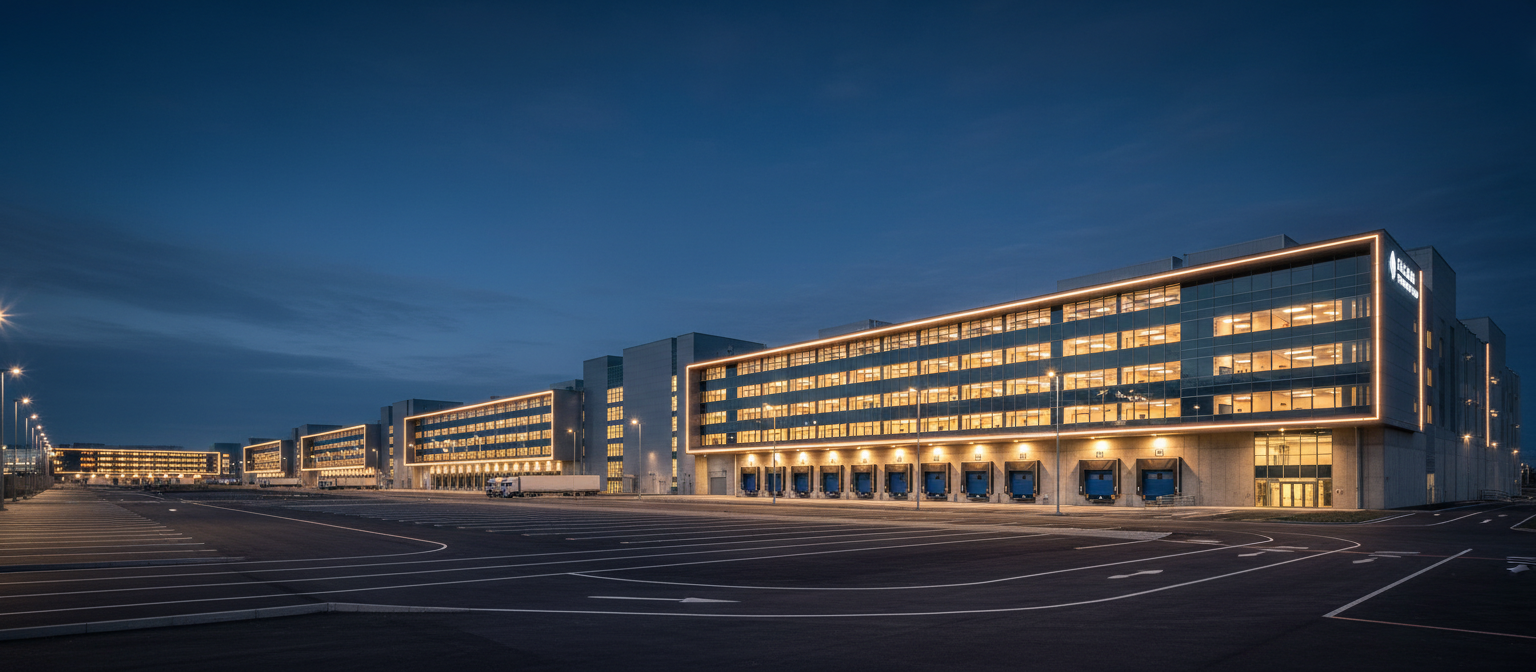
Protecting MA and NH Warehouses From Spring Thaw Water Intrusion
As winter fades across New England, the rapidly changing temperatures bring a significant challenge for warehouse managers and facility owners: the spring thaw. In regions like Boston, MA, and across the Greater New England area including Massachusetts, Rhode Island, Connecticut, and New Hampshire, the sudden melting of heavy snowfall can lead to catastrophic moisture accumulation. Implementing proactive commercial water damage prevention is essential to protect your inventory, infrastructure, and employee safety. ## The Risks of Spring Thaw in New England Warehouses Throughout the colder months, deep frost penetrates the ground around your commercial facilities. As the air temperatures rise, the rapid melting of snow and ice creates excessive runoff. If your drainage systems are blocked or your building envelope is compromised, this water will find the path of least resistance—right into your warehouse. Facilities in coastal regions like Boston and Providence, RI, are particularly vulnerable due to a combination of melting snow and seasonal storm surges. ## Critical Prevention Strategies to Secure Your Facility Protecting your assets requires a multi-faceted approach to maintenance. By addressing these areas before the peak thaw, you can mitigate the risk of water intrusion. ### 1. Clearing Drainage and Gutter Systems During the winter, ice dams and debris often accumulate in gutters and downspouts. If these are not cleared, melting water has nowhere to go but over the edge and toward your foundation. Ensure that all downspouts are extended at least five to ten feet away from the building to prevent pooling against the walls. ### 2. Foundation and Envelope Inspections Take the time to walk the perimeter of your facility in Massachusetts or New Hampshire. Look for hairline cracks in the masonry or gaps in the sealant around loading docks. Even a small fissure can become a major entry point for hydrostatic pressure caused by saturated soil. Professional sealing of these gaps is a cornerstone of effective commercial water damage prevention. ### 3. Inspecting Loading Docks and Low-Level Entry Points The loading dock is often the most vulnerable part of a warehouse. Ensure that weather stripping and seals are intact. If your facility is located in a low-lying area of New Hampshire or Connecticut, consider installing secondary barriers or improving the grading around these entry points to redirect flow away from the building. ## The Importance of Professional Facility Maintenance While internal staff can perform basic inspections, the complexities of commercial HVAC and drainage systems often require professional intervention. At MetroKleen | MKMaintX, we specialize in the unique demands of Northern climate facility management. We understand how the specific soil types and weather patterns of New England affect commercial concrete and industrial structures. Proactive maintenance is significantly more cost-effective than remediating water damage after it occurs. Once moisture enters a building, the risk of mold growth, structural wood rot, and damage to electrical systems increases exponentially. ## When to Call the Experts If you observe standing water, soft spots in your flooring, or signs of seepage in your basement or loading bays, contact our team immediately. Our Boston-based technicians provide comprehensive support across Massachusetts, Rhode Island, Connecticut, and New Hampshire. Whether you need a seasonal drainage assessment or emergency repair, we have the experience to safeguard your business operations. By prioritizing commercial water damage prevention today, you ensure that your New England warehouse remains a safe, dry, and efficient hub for your inventory throughout the coming spring season.
Get a Quote for Your Facility
Tell us where your building is and we'll call you back within 2 business hours. No obligation.
Subscribe to Updates
Get facility maintenance insights delivered
Join our newsletter for expert tips, industry news, and company updates from the MetroKleen | MKMaintX team.
Services That Cover This Work
MetroKleen | MKMaintX handles every trade under one contract — so the fix in this article and the next one call come from the same team.
Preventive programs, RTU & chiller service, 24/7 emergency repair
VIEW SERVICENightly cleaning, day porters, floor care, multi-site programs
VIEW SERVICEPrecision HVAC, humidity control, GMP-compatible cleaning
VIEW SERVICEPanels, wiring, code compliance, emergency power
VIEW SERVICEPipe repair, drain cleaning, backflow prevention
VIEW SERVICELED retrofits, fixture service, emergency lighting
VIEW SERVICELOCAL SERVICE PAGES
Need this work handled? Free assessment, no minimum contract.
Related Posts
AI SELECTEDCommercial Landscaping: Preparing New England Grounds for Spring Thaw
Prepare your Boston and New England commercial property for spring with our professional landscaping tips and expert maintenance services.
3 min read
New England Winter Facility Maintenance: Protecting Commercial Buildings Through Nor'easter Season
Learn how to safeguard your commercial assets against Nor'easters in Boston and across New England with expert facility maintenance strategies.
3 min read
24/7 Emergency Facility Maintenance Across New England: Rapid Response for MA, CT, RI and NH
Need emergency facility maintenance in New England? Our 24/7 rapid response team serves MA, CT, RI, and NH. Ensure your business stays operational around the clock.
3 min read
Comments (0)
No comments yet. Be the first to comment!