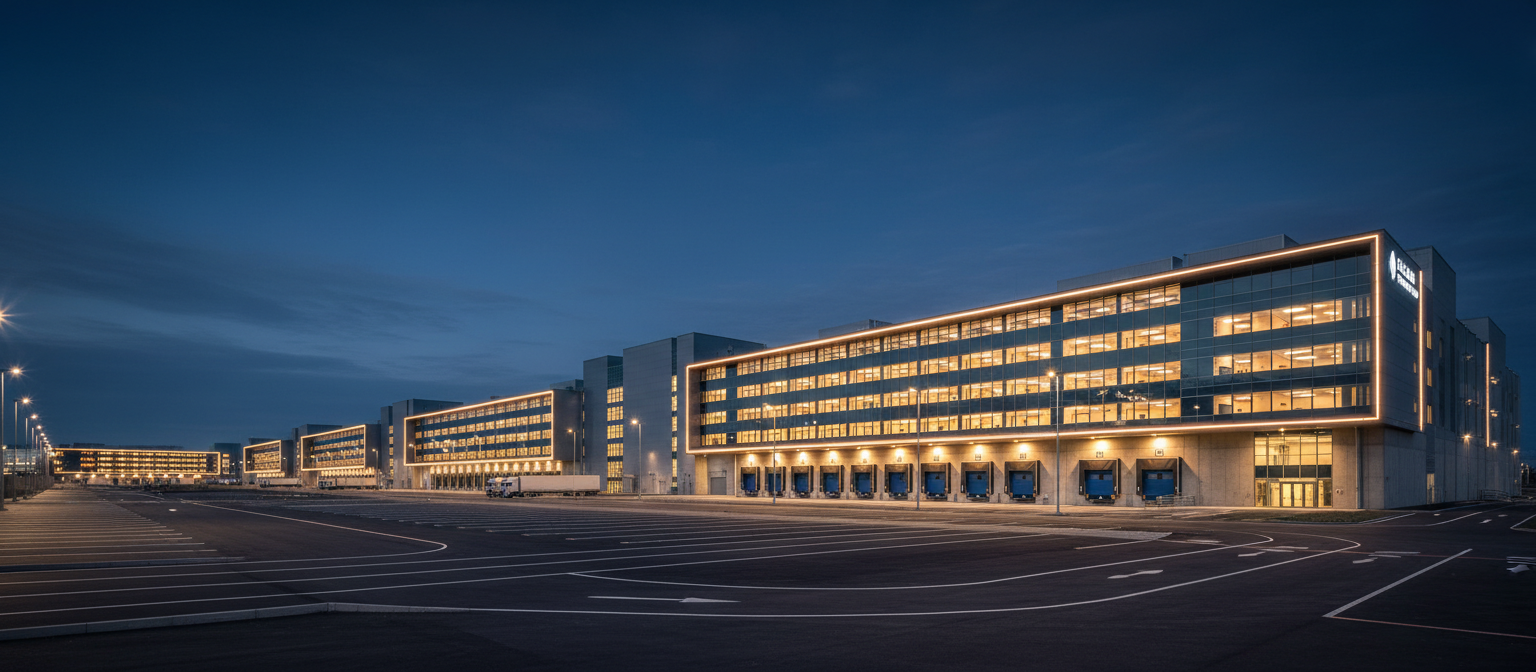
Preventing Mold in MA Commercial Basements: Humidity Control Tactics
Basements in the Greater New England Region often serve as the backbone of commercial infrastructure, housing critical utilities, archives, and mechanical systems. However, the unique climate of Massachusetts, Rhode Island, Connecticut, and New Hampshire brings seasonal shifts that can turn these spaces into breeding grounds for mold. When humidity levels rise, structural integrity and indoor air quality suffer. Proactive management is essential to protect your assets and maintain a healthy working environment. ## The Challenge of New England Humidity Humidity management in Boston and surrounding areas is a multifaceted challenge. With humid summers and temperature fluctuations during the shoulder seasons, moisture ingress is common in aging commercial foundation walls. When warm air meets cool basement surfaces, condensation occurs, leading to damp floor slabs and high vapor pressure. If left unchecked, this moisture feeds mold spores, causing damage to sensitive materials and potentially impacting the respiratory health of employees. ## Strategic Humidity Control Tactics Effective moisture mitigation requires a multi-layered approach. Start by conducting a thorough inspection of your foundation for cracks or gaps where moisture can seep through. Installing professional-grade dehumidification systems is the next critical step. Unlike portable residential units, commercial-grade systems are engineered to handle the larger cubic footage typical of New England commercial properties. These systems should be integrated into your building management protocol to ensure constant monitoring. ## The Role of Professional Maintenance Relying on proper airflow and filtration is just as important as mechanical dehumidification. Ensuring that your building's climate control systems are calibrated to handle varying humidity levels is vital. This is why many facility managers in the Greater New England Region rely on our commercial HVAC services to maintain optimal environmental conditions year-round. Proper maintenance prevents the stagnation of air, which is a primary contributor to microbial growth. We suggest regular inspections of HVAC condensate pans and drainage lines to prevent overflows that introduce unnecessary moisture into the basement environment. ## Monitoring and Prevention Best Practices Advanced facility management includes the use of data-driven monitoring. By placing smart hygrometers throughout your basement, you can track real-time changes in humidity, allowing your maintenance team to react before moisture levels reach the critical threshold where mold flourishes. Additionally, consider the following: Seal all penetrations: Ensure all plumbing and electrical entry points are properly caulked. Inspect Insulation: Verify that basement pipe insulation is intact to prevent 'sweating' during humid spells in Massachusetts. Optimize Exterior Grading: Ensure the land surrounding your building slopes away from the foundation to prevent rainwater pooling near the structure. Consistent Cleaning: Maintain a clean, dust-free environment, as dust can act as food for mold in the presence of moisture. By adopting these strategies, property owners in Boston and across New England can safeguard their investments against the silent threat of mold. Investing in professional assessments today will prevent costly remediation projects tomorrow. Whether you are managing a warehouse in Connecticut or a historic brick building in downtown Boston, consistency in humidity control is the cornerstone of effective facility maintenance.
Get a Quote for Your Facility
Tell us where your building is and we'll call you back within 2 business hours. No obligation.
Subscribe to Updates
Get facility maintenance insights delivered
Join our newsletter for expert tips, industry news, and company updates from the MetroKleen | MKMaintX team.
Services That Cover This Work
MetroKleen | MKMaintX handles every trade under one contract — so the fix in this article and the next one call come from the same team.
Preventive programs, RTU & chiller service, 24/7 emergency repair
VIEW SERVICENightly cleaning, day porters, floor care, multi-site programs
VIEW SERVICEPrecision HVAC, humidity control, GMP-compatible cleaning
VIEW SERVICEPanels, wiring, code compliance, emergency power
VIEW SERVICEPipe repair, drain cleaning, backflow prevention
VIEW SERVICELED retrofits, fixture service, emergency lighting
VIEW SERVICELOCAL SERVICE PAGES
Need this work handled? Free assessment, no minimum contract.
Related Posts
AI SELECTEDPreventing Mold in Medical Center Facilities: Humidity Control Guide
Learn how to manage humidity in Houston medical facilities to prevent mold. Improve your commercial indoor air quality with our expert maintenance tips.
3 min read
Preventing Humidity Damage: HVAC Care for The Woodlands Office Parks
Protect your Woodlands office from the Houston humidity. Learn expert tips for commercial HVAC humidity control and maintaining optimal building health.
3 min read
How Much Does Commercial HVAC Preventive Maintenance Cost? (2026 Ranges)
Typical 2026 pricing: $450-$900 per rooftop unit per year or $0.03-$0.08 per sq ft for semi-annual service. Here are the real ranges by equipment type, building type, and program frequency.
6 min read
Comments (0)
No comments yet. Be the first to comment!