Preventing Electrical Fire Risks in Historic Hartford Office Assets
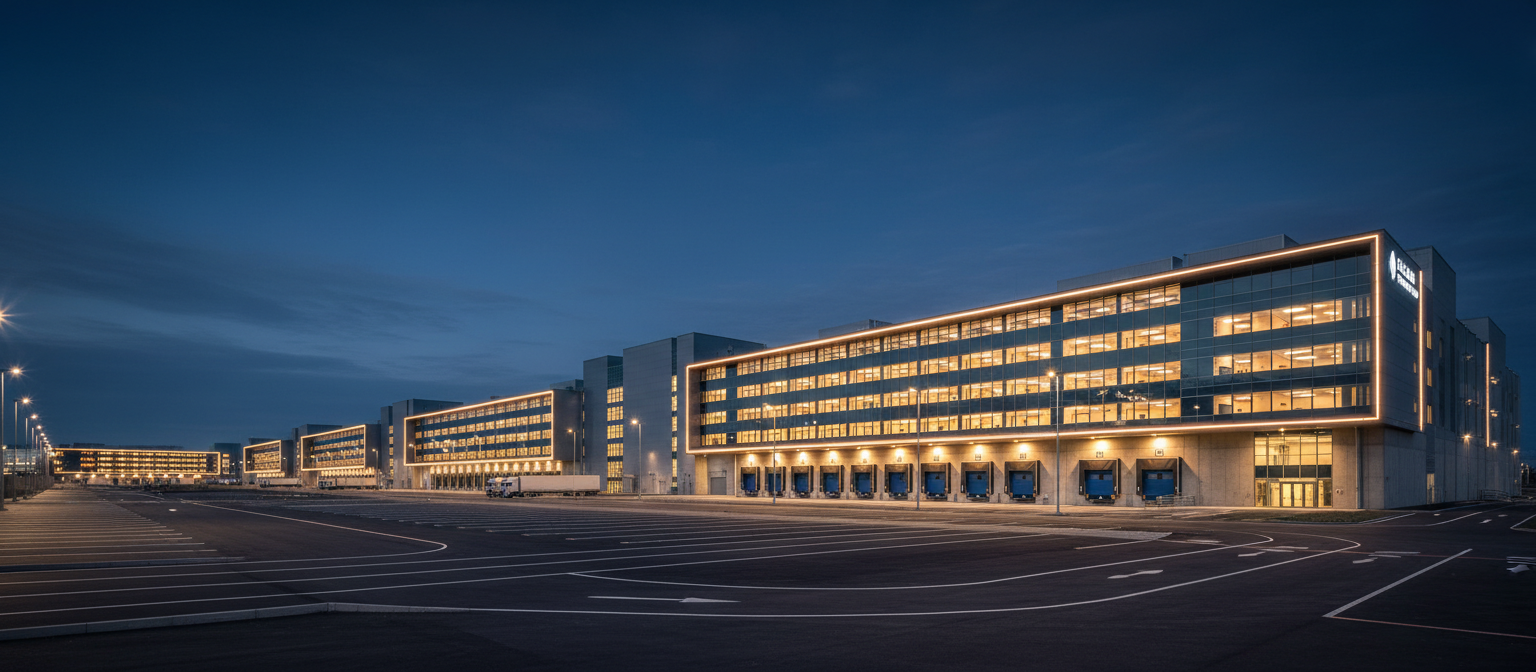
Historic office buildings define the architectural character of Hartford and the broader New England landscape. From the brick-and-beam structures in Boston, MA, to the classic downtown commercial cores in Connecticut, these aging assets hold immense value. However, they also present unique challenges, particularly regarding electrical infrastructure. Ensuring commercial electrical safety is not merely a regulatory necessity; it is a vital strategy for protecting your investment, your tenants, and your company's reputation. ## The Challenge of Aging Infrastructure Many historic office buildings across New England were wired decades—or even a century—ago. Wiring systems that were perfectly adequate for the needs of the 1950s often struggle to support the high-density power demands of modern IT infrastructure, climate control systems, and localized server rooms. When outdated wiring meets modern energy consumption, the risk of electrical fires skyrockets. Property managers in cities like Hartford, Providence, and Boston must recognize that insulation degradation, loose connections, and overloaded circuits are silent, invisible hazards. ## Identifying Red Flags Early signs of electrical distress are often overlooked until a failure occurs. Facility managers should remain vigilant for flickering lights, persistent tripped breakers, or the faint scent of ozone near outlets or switchgear. Additionally, if your property still relies on outdated fuse boxes or ungrounded two-prong outlets, you are significantly increasing the fire risk profile of your asset. Regular audits are the best defense against these hidden threats. If you suspect your building’s electrical system is not meeting modern standards, it is time to consult with experts who specialize in commercial electrical services to ensure your property remains compliant and safe. ## Regional Compliance and Climate Impacts New England’s climate brings unique environmental stresses to commercial assets. The extreme temperature fluctuations between harsh, snowy winters and humid summers place significant thermal stress on outdoor electrical components and rooftop HVAC connections. Moisture infiltration from freeze-thaw cycles can corrode connections and weaken the integrity of wiring housing. For properties throughout Massachusetts, Rhode Island, New Hampshire, and Connecticut, maintaining an integrated maintenance schedule that accounts for seasonal shifts is crucial. This proactive approach prevents small, weather-related electrical issues from escalating into major fire safety incidents. ## Integrating Technology for Prevention Modern facility management requires a shift from reactive repairs to predictive maintenance. By utilizing thermal imaging, our technicians can identify hotspots in electrical panels before they lead to thermal runaway or circuit failure. This technology is particularly effective for historic assets where wall cavities may hide antiquated wiring, allowing us to inspect critical junctions without invasive destruction of historic interior finishes. Implementing a digital maintenance log also ensures that you remain compliant with local building codes, which are becoming increasingly stringent regarding fire safety in older office assets. ## Building a Safety Culture Safety is a shared responsibility. Educating tenants about the dangers of using unauthorized space heaters, overloaded power strips, or extension cords is essential in historic office buildings. Encourage a reporting culture where employees feel comfortable flagging potential hazards immediately. When tenants understand that these rules are in place to preserve their workspace and ensure their safety, they are more likely to participate in risk-reduction initiatives. ## Partnering for Long-Term Resilience Protecting your commercial office asset requires a partner who understands both the local regulatory environment of the Greater New England Region and the complexities of historic construction. At MetroKleen | MKMaintX, we provide the specialized oversight needed to navigate the intersection of preservation and modernization. Don’t wait for a code violation or a near-miss incident to evaluate your electrical safety. Prioritize a comprehensive electrical audit today to secure your building’s future. By taking these proactive steps, you ensure that your Hartford or Boston office asset remains a secure, high-performing workspace for years to come.
Get a Quote for Your Facility
Tell us where your building is and we'll call you back within 2 business hours. No obligation.
Subscribe to Updates
Get facility maintenance insights delivered
Join our newsletter for expert tips, industry news, and company updates from the MetroKleen | MKMaintX team.
Services That Cover This Work
MetroKleen | MKMaintX handles every trade under one contract — so the fix in this article and the next one call come from the same team.
Preventive programs, RTU & chiller service, 24/7 emergency repair
VIEW SERVICENightly cleaning, day porters, floor care, multi-site programs
VIEW SERVICEPrecision HVAC, humidity control, GMP-compatible cleaning
VIEW SERVICEPanels, wiring, code compliance, emergency power
VIEW SERVICEPipe repair, drain cleaning, backflow prevention
VIEW SERVICELED retrofits, fixture service, emergency lighting
VIEW SERVICELOCAL SERVICE PAGES
Need this work handled? Free assessment, no minimum contract.
Related Posts
AI SELECTEDEssential Fire Safety Audit Compliance for Rhode Island Facilities
Ensure your property meets all commercial fire safety Rhode Island standards with our expert guide to audits across the Greater New England region.
3 min read
Electrical Safety Audits for Aging Rhode Island Office Complexes
Is your aging commercial property safe? Learn why a commercial electrical safety audit is essential for office complexes across the Greater New England Region.
3 min read
Emergency Readiness: Boston Office Disaster Recovery Protocols 2025
Learn how to build a robust emergency facility response plan for your Boston and New England properties to ensure operational continuity in 2025.
3 min read
Comments (0)
No comments yet. Be the first to comment!