Mitigating High Humidity Risks in Boston Seaport Biotech Labs
For the thriving biotech sector in Boston, MA, precision isn't just a requirement; it is a necessity for scientific viability. Whether operating in the dense corridors of the Seaport District or expanding across the Greater New England Region (Massachusetts, Rhode Island, Connecticut, New Hampshire), maintaining specific environmental parameters is the backbone of successful research. Among these parameters, humidity control stands out as perhaps the most critical, yet often the most volatile, variable.
The Unique Challenge of Boston Seaport Labs
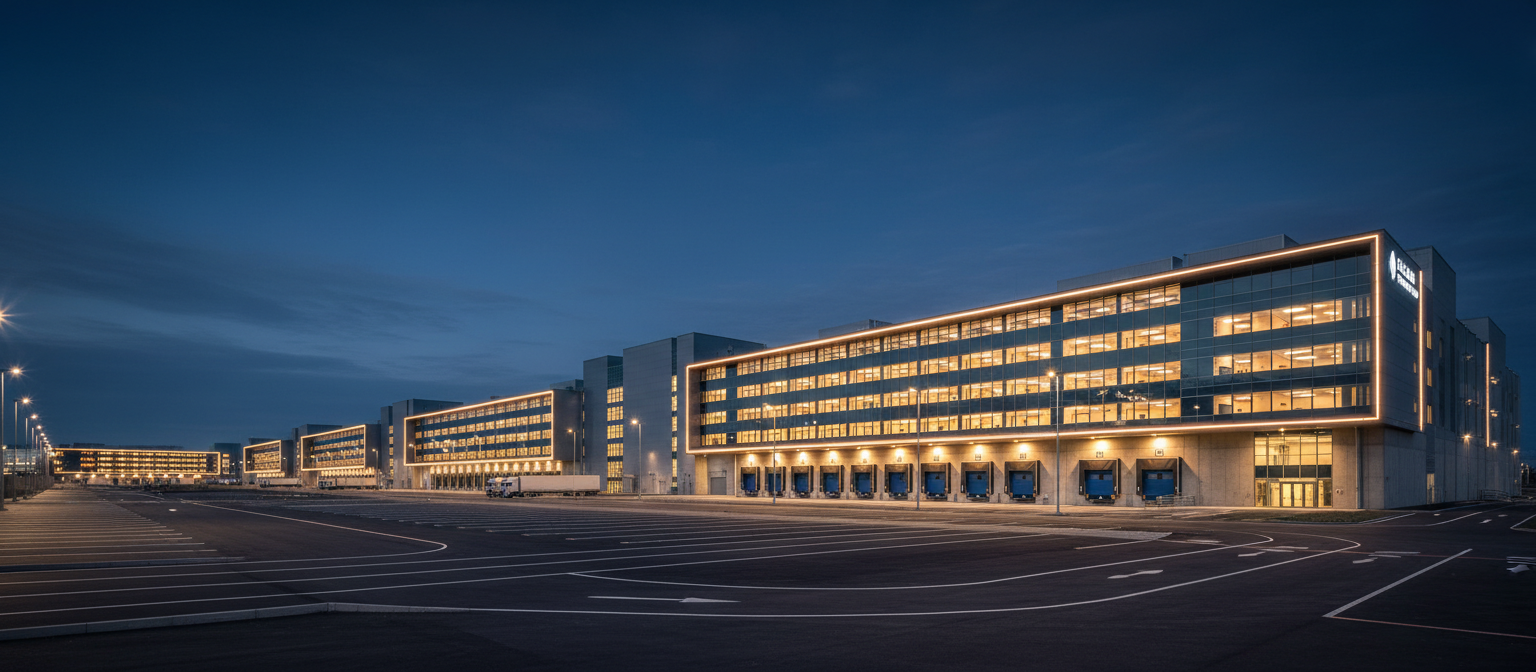
The Boston Seaport, characterized by its proximity to the Atlantic Ocean, presents a constant battle against moisture infiltration. As the region experiences significant seasonal shifts—from humid, salt-heavy summer air to cold, dry winters—biotech facilities face relentless pressure on their HVAC systems. In a sensitive lab environment, high humidity is not merely a comfort issue; it acts as a catalyst for mold growth, equipment corrosion, and the degradation of sensitive biological samples. Effective biotech lab humidity control Boston facilities require is essential to ensure that instrumentation remains calibrated and sterile environments remain compliant with ISO and FDA standards.
Why Humidity Fluctuations Compromise Research
When moisture levels deviate from the strict setpoints required for cell culture or pharmaceutical storage, the results can be catastrophic. Excessive humidity can lead to condensation on cold surfaces, providing a breeding ground for contaminants that can compromise years of research. Furthermore, the electronic components inside sophisticated mass spectrometers and genetic sequencers are highly susceptible to moisture-induced short circuits. For facility managers in New England, neglecting these environmental controls can lead to costly downtime and significant financial losses.
To ensure your facility remains at peak performance, partnering with experts who understand the nuances of the regional climate is critical. Our commercial HVAC services are designed to provide the rigorous maintenance required to keep your humidity levels within a fraction of a percentage point year-round, regardless of the fluctuating external weather.
Strategies for Regional Facilities
Facilities across Massachusetts, Rhode Island, Connecticut, and New Hampshire face the same regional climate challenges, yet each building presents unique structural variables. Older retrofitted warehouse spaces in the Seaport require different dehumidification strategies compared to purpose-built modern glass structures.
- Advanced Monitoring: Deploying a network of IoT-enabled sensors provides real-time data, allowing teams to identify micro-climates within the building that may be experiencing humidity spikes.
- Desiccant Dehumidification: Given the high dew points experienced during New England summers, supplementing traditional cooling-based dehumidification with desiccant systems is often necessary for maintaining ultra-low humidity levels.
- Envelope Integrity: Regular inspections of the building envelope are vital. In the salt-air environment of the Boston coastline, seals around window frames and doors degrade faster, allowing uncontrolled air infiltration.
Proactive Maintenance in New England
Maintenance is not a luxury; it is a risk mitigation strategy. Reactive repairs in a lab setting often mean lost productivity and, worse, lost data. By moving to a proactive maintenance schedule, facility managers can ensure that their HVAC infrastructure is resilient enough to handle the volatility of the Northeastern climate. From the labs in Cambridge and the Seaport to the growing biotech hubs in Connecticut and beyond, having a reliable maintenance partner ensures that your facility maintains the stability required for life-changing discovery.
At MetroKleen | MKMaintX, we understand that for the Boston biotech community, environmental stability is synonymous with success. Don’t wait for an equipment failure to reconsider your environmental controls. Ensure your facility is audit-ready and resilient by optimizing your systems for the unique climate challenges of New England.
Get a Quote for Your Facility
Tell us where your building is and we'll call you back within 2 business hours. No obligation.
Subscribe to Updates
Get facility maintenance insights delivered
Join our newsletter for expert tips, industry news, and company updates from the MetroKleen | MKMaintX team.
Services That Cover This Work
MetroKleen | MKMaintX handles every trade under one contract — so the fix in this article and the next one call come from the same team.
Preventive programs, RTU & chiller service, 24/7 emergency repair
VIEW SERVICENightly cleaning, day porters, floor care, multi-site programs
VIEW SERVICEPrecision HVAC, humidity control, GMP-compatible cleaning
VIEW SERVICEPanels, wiring, code compliance, emergency power
VIEW SERVICEPipe repair, drain cleaning, backflow prevention
VIEW SERVICELED retrofits, fixture service, emergency lighting
VIEW SERVICELOCAL SERVICE PAGES
Need this work handled? Free assessment, no minimum contract.
Related Posts
AI SELECTEDOptimizing HVAC Air Filtration for Cambridge Tech Lab Environments
Learn how to optimize hvac air quality maintenance for tech labs in Boston, Cambridge, and across New England to ensure research integrity and facility safety.
3 min read
Protecting New England Commercial HVAC from Coastal Salt Air Damage
Protect your Boston and New England commercial HVAC systems from salt air corrosion with our expert maintenance tips and local facility management expertise.
3 min read
Mitigating High Humidity Risks in Boston Seaport Biotech Lab Facilities
Learn how to manage biotech facility humidity control in Boston to protect research and equipment from the unique challenges of the New England climate.
3 min read
Comments (0)
No comments yet. Be the first to comment!