Mitigating High Humidity Risks in Boston Seaport Biotech Lab Facilities
The Hidden Threat to Boston Seaport Biotech Labs
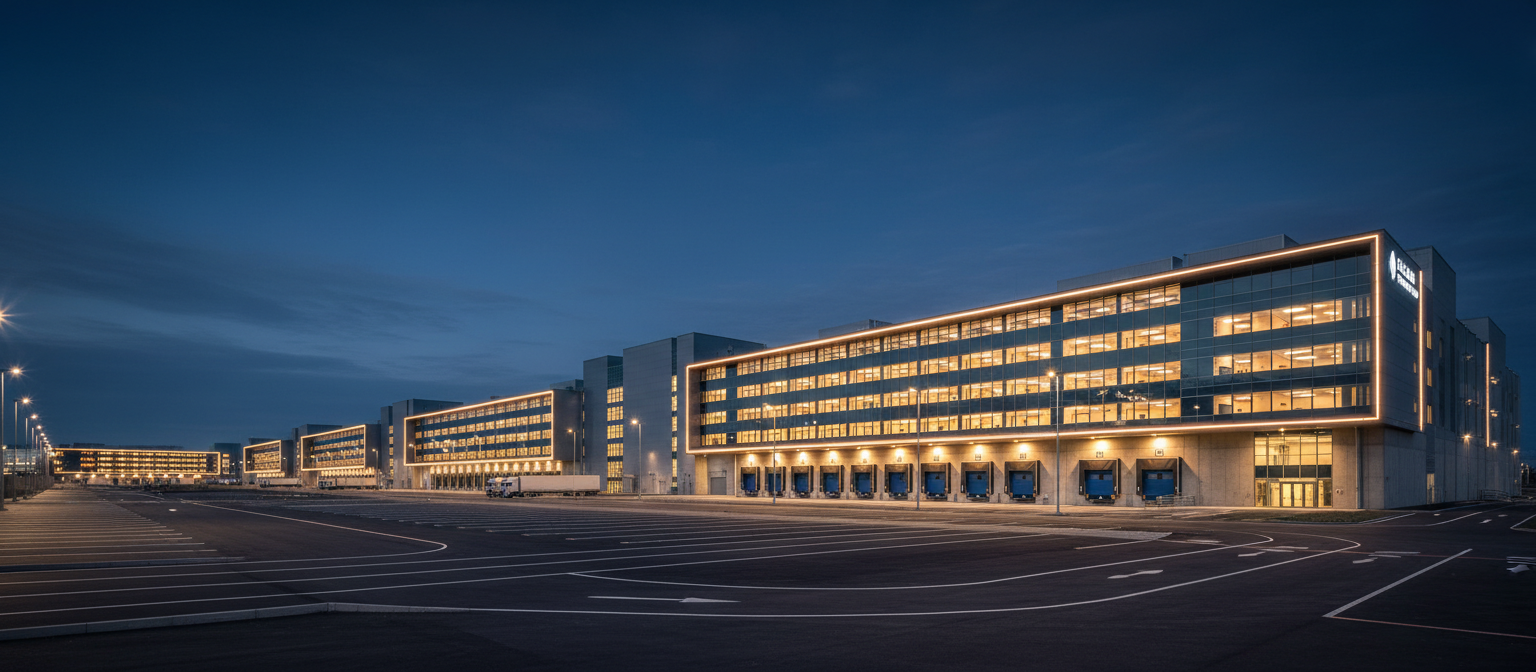
The Boston Seaport district has rapidly transformed into a global hub for life sciences and biotech innovation. However, for facility managers in these state-of-the-art labs, the coastal environment brings a persistent, invisible challenge: high humidity. Maintaining precise environmental conditions is not merely a preference in biotech; it is a regulatory and operational necessity. When moisture levels fluctuate, the integrity of sensitive research samples, precision equipment, and sterile environments across New England is at severe risk.
The Impact of Humidity on Biotech Operations
For facilities located near the harbor in Boston, MA, the combination of ocean air and variable New England weather patterns creates a unique microclimate. Excess humidity can lead to mold growth in HVAC ductwork, corrosion of delicate micro-instrumentation, and the destabilization of chemical reagents. Furthermore, high humidity can cause condensation on cold-surface pipes, leading to water damage that threatens costly experiments and expensive diagnostic hardware.
Achieving Reliable Biotech Facility Humidity Control in Boston
Effective biotech facility humidity control in Boston requires more than just standard cooling; it demands advanced dehumidification technology and integrated building management systems. Facilities throughout Massachusetts, Rhode Island, Connecticut, and New Hampshire must implement a proactive maintenance schedule to ensure that sensors are calibrated correctly and that desiccants or cooling coils are functioning at peak efficiency.
To ensure your facility remains within strict compliance standards, regular maintenance of your air handling units is essential. We recommend professional oversight of your infrastructure, including our comprehensive commercial HVAC services to prevent downtime and protect your research investments. By managing dew points effectively, facility directors can mitigate the risk of biological contamination and equipment drift.
Regional Challenges Across New England
While the Boston Seaport faces specific marine-air challenges, labs across the broader New England region face their own sets of hurdles. From the high summer humidity in Connecticut to the dramatic temperature swings in New Hampshire, biotech facilities must be prepared for year-round atmospheric flux. A one-size-fits-all approach to climate control will inevitably fail in this climate.
We emphasize the need for a site-specific audit. Assessing the building envelope, checking for thermal bridging, and ensuring the HVAC system is sized correctly for the current density of lab equipment are critical steps for any facility manager. In Massachusetts and surrounding states, energy efficiency remains a priority, so finding the balance between tight humidity control and sustainable energy consumption is the gold standard of modern maintenance.
Best Practices for Mitigation
- Continuous Monitoring: Utilize IoT-enabled sensors to track real-time humidity levels and receive automated alerts before thresholds are breached.
- Envelope Sealing: Regularly inspect windows, doors, and building penetrations for air leaks that allow unconditioned air to infiltrate the lab space.
- Preventative Maintenance: Schedule deep-cleans for coils and drainage systems to prevent the buildup of biofilms that thrive in moist environments.
- Zoning: Implement micro-zoning within your facility to isolate high-sensitivity areas, ensuring that humidity-sensitive experiments remain isolated from common areas or break rooms.
Partnering for Long-Term Success
At MetroKleen | MKMaintX, we understand that biotech innovation does not stop for maintenance issues. As a trusted partner for facilities in Boston and throughout the Greater New England Region, we bring a wealth of experience in managing high-stakes laboratory environments. Our technicians are trained to identify moisture-related risks long before they become catastrophic failures. By focusing on precision climate management, we help Boston's brightest scientific minds continue their work in a controlled, safe, and stable environment. Contact us today to discuss a customized maintenance plan tailored to your laboratory's unique requirements.
Get a Quote for Your Facility
Tell us where your building is and we'll call you back within 2 business hours. No obligation.
Subscribe to Updates
Get facility maintenance insights delivered
Join our newsletter for expert tips, industry news, and company updates from the MetroKleen | MKMaintX team.
Services That Cover This Work
MetroKleen | MKMaintX handles every trade under one contract — so the fix in this article and the next one call come from the same team.
Preventive programs, RTU & chiller service, 24/7 emergency repair
VIEW SERVICENightly cleaning, day porters, floor care, multi-site programs
VIEW SERVICEPrecision HVAC, humidity control, GMP-compatible cleaning
VIEW SERVICEPanels, wiring, code compliance, emergency power
VIEW SERVICEPipe repair, drain cleaning, backflow prevention
VIEW SERVICELED retrofits, fixture service, emergency lighting
VIEW SERVICELOCAL SERVICE PAGES
Need this work handled? Free assessment, no minimum contract.
Related Posts
AI SELECTEDMitigating HVAC Condensate Risks in Humid Boston Seaport Buildings
Protect your Boston Seaport properties from high humidity and HVAC condensate risks with expert maintenance tips from our New England facility experts.
3 min read
Optimizing HVAC Systems for Boston’s Variable Spring Temperature Swings
Prepare your building for New England’s unpredictable spring with our expert guide to commercial HVAC maintenance in Boston and the surrounding region.
3 min read
HVAC Strategies for Managing New England Nor'easter Moisture Risks
Learn how to protect your building from Nor'easters with expert commercial HVAC moisture control strategies tailored for the Greater New England region.
3 min read
Comments (0)
No comments yet. Be the first to comment!