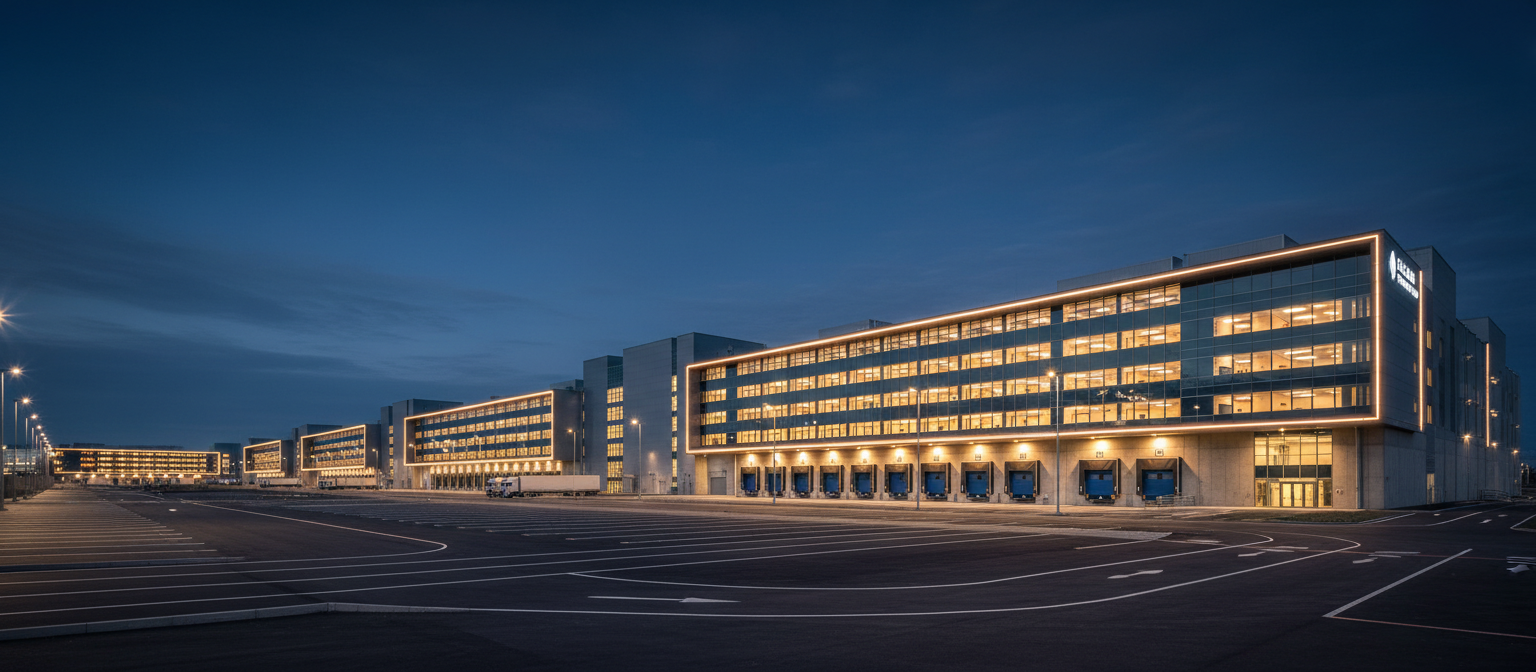
Downtown Boston High-Rise Window Cleaning and Facade Maintenance Guide
Boston's Financial District towers endure some of the harshest environmental punishment of any urban skyline in North America — yet most building owners underestimate how quickly neglected facades and dirty glass erode asset value, tenant satisfaction, and regulatory standing. A disciplined approach to downtown Boston high-rise window cleaning and facade maintenance isn't a luxury; it's a core component of responsible commercial property stewardship.
Why Boston's Urban Environment Demands More From Your Facade
Boston occupies a uniquely punishing geography for commercial buildings. The city sits at the confluence of coastal salt air rolling in off Boston Harbor, freeze-thaw cycles that crack mortar and caulk with remarkable aggression, and an urban pollution load amplified by the density of the Financial District, the Seaport, and Back Bay. High-rise facades in these neighborhoods accumulate a compounding mix of airborne particulates, biological growth (algae, mold, lichen), efflorescence from masonry, and salt-laden moisture that accelerates corrosion on metal cladding and window frames.
Consider what a single winter does to a curtain-wall system on a tower along Atlantic Avenue or Summer Street. Temperatures swing 60 degrees Fahrenheit between seasons, and within a single week they can oscillate enough to pump water in and out of micro-cracks in sealant joints. Road salt aerosolizes during storms, landing on glazing and leaving mineral deposits that, if left unaddressed, etch borosilicate glass surfaces permanently. The result is accelerated facade degradation that no amount of deferred maintenance can reverse — only prevent.
The Real Cost of Deferred Facade Maintenance in Boston
Property owners sometimes treat exterior cleaning and facade inspections as discretionary budget items. This perspective is expensive in Boston's market. The Massachusetts State Building Code and the City of Boston's Inspectional Services Department (ISD) place clear obligations on commercial building owners regarding structural facade integrity. Under Appendix J requirements and periodic inspection mandates applicable to buildings over a certain height and age threshold, neglect isn't just an aesthetic problem — it's a liability and compliance exposure.
Beyond code, the economics are straightforward:
- Tenant retention and Class A positioning: In the competitive leasing market stretching from Downtown Crossing to the Seaport District, tenants making decisions about premium office space assess curb appeal. Streaked glass, stained masonry, and deteriorating window seals signal deferred maintenance culture — and signal risk to sophisticated tenants.
- Glazing replacement costs: Commercial-grade insulated glass units for high-rise curtain walls in Boston can run $800 to $2,500 per pane when etching or seal failure reaches the point of no return. Routine cleaning and inspection catches failures early.
- Facade repair escalation: A minor caulk joint failure caught during a routine rope-access cleaning inspection costs hundreds to remediate. The same failure, discovered two winters later after water infiltration has migrated behind the cladding system, can cost tens of thousands.
- Liability exposure: Loose facade elements — whether deteriorated stone, spalling concrete, or failed cladding attachments — on crowded Boston streets present life-safety risks that translate directly into legal liability.
Boston's Unique Building Stock: What Makes High-Rise Facade Work Here Different
Boston's commercial skyline is heterogeneous in ways that complicate maintenance planning. The Financial District alone blends glass curtain-wall towers from the 1980s and 1990s with pre-war masonry structures converted to commercial use, post-2000 high-performance glazing systems, and mid-century aluminum-clad buildings whose original sealants are decades beyond their design life.
Back Bay properties along Boylston and Newbury corridors often feature historic masonry that demands chemical-sensitive cleaning protocols — alkaline or acidic cleaners inappropriate for limestone facades can cause irreversible staining. Longwood Medical Area properties contend with biosafety and operational continuity considerations that require cleaning crews to coordinate around 24/7 facility operations. Cambridge across the Charles — particularly the Kendall Square cluster of life science and tech towers — presents its own blend of modern high-performance facades with demanding corporate tenant standards.
The point is this: one-size-fits-all facade maintenance doesn't exist in Boston. An effective program requires documented understanding of your building's specific cladding systems, substrate materials, sealant generations, and access constraints before a single cleaning or inspection begins.
What a Professional Downtown Boston High-Rise Window Cleaning and Facade Maintenance Program Looks Like
A well-designed commercial facade maintenance program for a Boston high-rise isn't a single annual cleaning event. It's a structured, documented service framework built around your building's specific risk profile. Here's what that framework includes:
Facade Condition Assessment
Before any work begins, a qualified facade consultant or OSHA-trained inspection team should document existing conditions: sealant integrity, evidence of water infiltration, glass condition (scratches, mineral deposits, seal failures), masonry joint condition, cladding attachment integrity, and drainage system performance. This baseline is your benchmark for tracking degradation over time and prioritizing remediation budget.
Access System Planning
High-rise window cleaning in Boston is governed by OSHA 29 CFR 1910 Subpart D and applicable ANSI/IWCA I-14.1 standards for window cleaning safety. Access methods include:
- Powered Industrial Rope Descent Systems (PRDS) anchored to certified roof davit systems or permanent tie-backs
- Suspended Scaffolding / Building Maintenance Units (BMUs) for towers with integrated facade access equipment
- Aerial Lift Equipment for lower floors where ground clearance and sidewalk conditions permit
- Interior access cleaning for certain glazing configurations
Proper access planning also requires coordination with Boston's sidewalk permit process when ground-based equipment creates a public right-of-way obstruction — a common requirement along narrow Financial District streets like Franklin Street or Devonshire Street.
Cleaning Protocol Selection
Commercial facade cleaning at height isn't simply soap and squeegee work. Professional programs use differentiated protocols:
- Pure water systems (deionized or reverse-osmosis water fed through carbon fiber poles or PRDS-mounted delivery) for routine glass maintenance — leaves no mineral residue and reduces cleaning frequency
- Controlled chemical washing with pH-appropriate solutions matched to substrate — critical for limestone, granite, precast concrete, and terra cotta
- Pressure washing with adjusted PSI for concrete and certain masonry, always below thresholds that risk substrate damage or force water into facade openings
- Soft washing for biological growth (algae, mold) using low-pressure application of EPA-registered biocidal treatments
Preventive Sealant and Caulk Inspection
Every professional rope-access cleaning cycle should include a documented sealant condition audit — noting cracking, adhesion failure, compression set, or missing sections — at every floor level. This converts cleaning visits into inspection events, maximizing the intelligence gathered from each rope deployment and giving facility managers actionable data for capital planning.
Reporting and Documentation
For buildings subject to periodic facade inspection requirements or for owners managing portfolios across Charlestown, Seaport, South Boston, and other Boston neighborhoods, structured reporting — with GPS-tagged photo documentation of deficiencies, severity ratings, and recommended remediation timelines — transforms maintenance from reactive to proactive.
Selecting the Right Commercial Facade Maintenance Partner in Boston
The Boston high-rise maintenance market includes providers ranging from highly qualified commercial specialists to general cleaning contractors who may not carry appropriate insurance, certifications, or rope-access credentials. Here is what to require from any provider before signing a contract:
- SPRAT (Society of Professional Rope Access Technicians) or IRATA-certified rope-access technicians at the correct level for the planned work
- OSHA 10 or OSHA 30 certifications for all crew members working at height
- Commercial general liability minimum $5M per occurrence, with umbrella coverage appropriate to the building's height and occupancy
- Workers' compensation coverage in Massachusetts with no gaps
- Documented experience with your specific facade system type — curtain wall, EIFS, masonry, aluminum composite panel — not just generic cleaning experience
- Written scope of work with defined access methods, cleaning chemistry, and inspection deliverables — not a verbal proposal
- References from comparable Boston high-rise properties, ideally within the Financial District, Back Bay, or Seaport submarkets
At MetroKleen | MKMaintX, our commercial facade maintenance teams serving Boston and the Greater Metro area are fully OSHA-compliant, carry certifications appropriate to high-rise rope access work, and deliver structured inspection documentation with every service cycle. We operate in Boston and across 35+ states, giving us the operational depth and insurance infrastructure that downtown Boston tower owners require. Learn more at mkmaintx.com or speak with a Boston-area facility maintenance specialist directly at 1-888-669-5808.
Key Benefits of a Disciplined Facade Maintenance Program
Organizing these benefits clearly for facility managers making the business case internally:
- Extended glazing and facade system lifespan — documented cleaning and inspection cycles defer capital replacement costs by years
- Regulatory compliance confidence — structured programs generate the documentation record that satisfies ISD periodic inspection requirements
- Tenant and stakeholder confidence — clean, well-maintained facades communicate building quality in competitive leasing markets
- Early deficiency detection — minor repairs caught at $200 versus major failures remediated at $20,000
- Liability risk reduction — documented condition monitoring creates a defensible record of due diligence
- Energy performance — clean glazing transmits more natural light, reducing artificial lighting loads and supporting LEED or ENERGY STAR performance metrics
Frequently Asked Questions
Q: How often should a downtown Boston high-rise have its windows and facade professionally cleaned?
A: For most Financial District and Back Bay commercial towers, a minimum of two full exterior window cleaning cycles per year is standard — typically spring (post-winter salt and grime) and fall (pre-winter, to allow inspection and any sealant remediation before freeze-thaw season). Buildings with heavy pedestrian traffic exposure, proximity to construction activity, or tenants with high appearance standards often benefit from quarterly cycles on lower floors with twice-annual upper-floor service.
Q: What are the OSHA and permitting requirements for high-rise window cleaning in Boston?
A: Work at height on Boston commercial buildings must comply with OSHA 29 CFR 1910 Subpart D and relevant 1926 construction standards for suspended scaffolding, as well as ANSI/IWCA I-14.1 for window cleaning safety. Sidewalk work requiring lane closures or pedestrian protection on public ways requires permits from the Boston Transportation Department and coordination with Boston ISD. Reputable providers handle all permitting as part of their service scope.
Q: Can high-rise facade cleaning damage historic masonry on older Boston buildings?
A: Yes — if performed by unqualified contractors using inappropriate chemistry or excessive pressure. Limestone, brownstone, terra cotta, and older brick are vulnerable to acid washing, high-pressure water infiltration, and abrasive techniques. Qualified commercial facade maintenance providers use substrate-specific protocols, conduct spot testing before full application, and follow Secretary of the Interior's Standards guidance for historic properties where applicable.
Q: What is the typical cost range for high-rise window cleaning on a Boston commercial tower?
A: Costs vary significantly based on building height, number of panes, facade complexity, access method required, and whether inspection documentation is included. For a mid-size Financial District tower (15–30 stories, standard curtain wall), full exterior window cleaning cycles commonly range from $8,000 to $35,000+ per cycle depending on scope. The investment is modest relative to the glazing replacement and facade repair costs that proper maintenance defers.
Q: Does MetroKleen | MKMaintX serve properties outside of Downtown Boston?
A: Yes. While we have deep operational presence serving Downtown Boston, the Seaport, Back Bay, Longwood Medical Area, Charlestown, Cambridge, and surrounding communities, MetroKleen | MKMaintX operates commercially across 35+ states nationwide. Portfolio owners managing properties in multiple markets benefit from our ability to deliver consistent service standards and centralized reporting across locations. Contact us at 1-888-669-5808 or visit mkmaintx.com to discuss your full portfolio needs.
Get a Quote for Your Facility
Tell us where your building is and we'll call you back within 2 business hours. No obligation.
Subscribe to Updates
Get facility maintenance insights delivered
Join our newsletter for expert tips, industry news, and company updates from the MetroKleen | MKMaintX team.
Services That Cover This Work
MetroKleen | MKMaintX handles every trade under one contract — so the fix in this article and the next one call come from the same team.
Preventive programs, RTU & chiller service, 24/7 emergency repair
VIEW SERVICENightly cleaning, day porters, floor care, multi-site programs
VIEW SERVICEPrecision HVAC, humidity control, GMP-compatible cleaning
VIEW SERVICEPanels, wiring, code compliance, emergency power
VIEW SERVICEPipe repair, drain cleaning, backflow prevention
VIEW SERVICELED retrofits, fixture service, emergency lighting
VIEW SERVICELOCAL SERVICE PAGES
Need this work handled? Free assessment, no minimum contract.
Related Posts
AI SELECTEDMitigating Salt Damage on CT Coastal Commercial Property Facades
Discover effective strategies for Connecticut coastal building maintenance to protect your commercial property from salt damage and long-term erosion.
3 min read
Managing Rhode Island Coastal Property Maintenance and Salt Corrosion
Protect your assets from salt damage with our guide to coastal commercial facility maintenance in Rhode Island, Boston, and the broader New England region.
3 min read
Preventing Salt Corrosion on Downtown Boston Building Entrances
Protect your assets with our expert tips for commercial building salt damage prevention Boston. MKMaintX offers comprehensive maintenance for all your needs.
3 min read
Comments (0)
No comments yet. Be the first to comment!