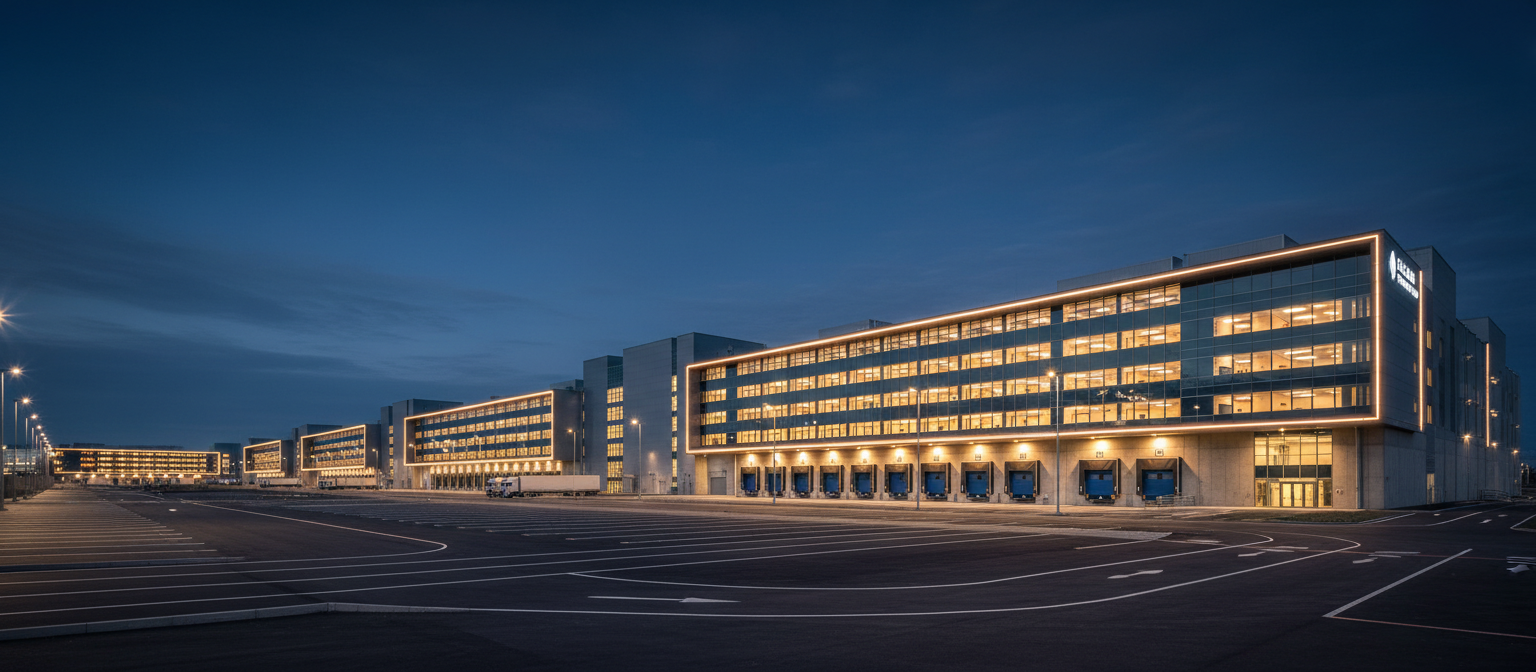
The 2026 HVAC & Facility Maintenance Calendar for the Virginia Hub
Virginia's commercial HVAC systems fail on a schedule that the climate writes years in advance — a humid summer drives microbial growth in drain pans, a January cold snap freezes poorly drained condensate lines, and a spring pollen surge chokes condenser coils before the first cooling call. A written maintenance calendar converts that predictable pattern into controlled, documented work orders rather than emergency dispatches.
Q1: January – March
January
January is the month Virginia facility managers underestimate most. The mid-Atlantic winter is mild enough that heating infrastructure rarely gets the respect it deserves — until a polar vortex intrusion drops Roanoke to 8°F or an ice storm takes Northern Virginia offline for three days.
Freeze protection audit: Inspect all condensate drain lines, cooling coil drain pans, and chilled water piping in unconditioned or partially conditioned spaces. Verify that heat trace circuits are energized and that thermostat setpoints on unit heaters in mechanical rooms are active. One frozen trap on a steam system serving an older Richmond institutional building can crack a cast-iron header before dawn.
Boiler and steam system inspection: For central and western Virginia facilities running hydronic or steam heat, January is the prime window for steam trap surveys. A failed-open trap wastes condensate return energy continuously; a failed-closed trap causes water hammer and reduces zone capacity. Log trap condition against last year's survey to trend failure rates.
Low-ambient lockout verification: Test economizer low-ambient lockout controls on rooftop units. Confirm that compressors are locked out at manufacturer-specified ambient thresholds. On data center CRAC/CRAH units running 24/7, verify that redundant cooling paths are active so a single-unit lockout during cold weather does not create a hot-aisle event.
Filter baseline: Pull and record static pressure drop across all filter banks. January provides a clean baseline before spring pollen loading begins. Replace filters that have reached terminal pressure drop.
Government and secure facility scheduling: Northern Virginia's cleared-facility corridor requires escort and access coordination. January is the right month to submit Q2 and Q3 maintenance window requests to contracting officers and security managers — those windows fill fast as spring approaches.
February
February is a transitional planning month. Heating demand is still real, but pre-season cooling preparation must begin.
Belt and bearing inspection: Inspect V-belt tension and condition on all AHU fans and exhaust systems. A glazed or cracked belt that survives winter will snap under the increased runtime of May cooling season. Check bearing lubrication on all fan shafts and pump motors per OEM spec — over-lubrication is as damaging as under-lubrication on sealed bearings.
BAS sequence verification: Walk through Building Automation System (BAS) sequences of operation for heating mode. Confirm that setpoints, occupied/unoccupied schedules, and economizer enable logic match the current sequence of operations document. Discrepancies found now are corrected before cooling season adds complexity.
Water treatment program review: Review closed-loop hydronic system chemistry — inhibitor levels, pH, and biological control. Systems that were not treated through the heating season frequently show elevated corrosion byproducts in February.
March
March triggers the most consequential pre-season work of the year in Virginia.
Cooling tower and condenser water startup: For facilities with cooling towers, March is the window for basin cleaning, drift eliminator inspection, fill media inspection, and Legionella risk assessment. Re-commission water treatment chemical feed systems and establish baseline conductivity and biocide residual logs before the first warm day forces an emergency startup.
Chiller pre-season commissioning: Pull refrigerant leak checks on all centrifugal, screw, and scroll chillers. Verify oil levels and oil analysis results from the previous shutdown. Test chilled water pump rotation, verify VFD programming, and confirm that chilled water supply and return temperature differential setpoints are current. A chiller that sits idle all winter and is started cold on the first 80°F day in April without pre-season checks is an expensive gamble.
Economizer functional test: Test airside economizer damper actuators for full-stroke travel, verify enthalpy or dry-bulb sensor calibration, and confirm BAS economizer enable/disable logic. Failed economizers are an invisible efficiency drain that Virginia's mild spring shoulder season should be capturing.
Q2: April – June
April
Condenser coil cleaning: Spring pollen loading in Virginia is severe. April is the mandatory window for condenser coil cleaning on all rooftop units, remote condensers, and split-system condensers. Coils blocked by cottonwood, oak pollen, and general debris operate at elevated head pressure, reducing capacity and increasing compressor wear. Use low-pressure coil cleaner with proper containment — high-pressure water damages aluminum fins.
Filter changeout — pre-cooling cycle: Replace or verify filter banks ahead of cooling season startup. Healthcare and lab facilities should confirm that HEPA and high-MERV filtration is seated correctly and that bypass leakage around filter frames is sealed.
Drain pan and condensate system treatment: Apply biocide tabs or enzymatic treatments to all drain pans. Clear condensate drain lines with pressurized nitrogen or CO₂ and verify trap priming on floor drains in mechanical rooms. Algae blockages that form by June are prevented entirely by April treatment.
May
Full cooling startup and functional testing: Bring all cooling systems to full operational status by mid-May before the first sustained humid heat arrives. Test refrigerant circuit superheat and subcooling on DX systems, verify chilled water differential pressure across the distribution loop, and confirm that cooling tower fan staging matches the current controls sequence.
Variable frequency drive audit: Inspect VFD parameter sets on AHU fans, chilled water pumps, and cooling tower fans. Confirm that sleep mode, minimum speed, and bypass configurations are correct. A VFD running a chilled water pump at full speed in bypass mode on a variable-volume system defeats the entire energy intent of the design.
Humidity control systems: For data centers and labs, verify that humidifier and dehumidification system setpoints are correctly staged for summer operation. Confirm condensate management on precision cooling units — CRAC/CRAH condensate pans in high-load data center rows can overflow within days if float switches fail.
June
Storm-season readiness — Hampton Roads and coastal facilities: June opens hurricane and tropical storm season. Inspect and secure rooftop equipment curbs, equipment tie-downs, and exhaust fan gravity dampers. Confirm that flood barriers and equipment room sill seals are deployed or accessible. Establish a post-storm recovery checklist that covers refrigerant circuit inspection, electrical equipment dryout protocols, and cooling tower debris clearing.
Mid-year refrigerant log audit: Review refrigerant addition logs for all systems year-to-date. Any system with repeated top-offs needs a formal leak detection survey before peak cooling season loading increases leak rates.
Cooling tower blowdown and water treatment verification: Confirm that conductivity controllers are functioning, that biocide feed is on schedule, and that Legionella monitoring per ASHRAE 188 water management plan milestones is current.
Q3: July – September
July
July is peak load month. The goal is zero unplanned downtime, which means July contains no major PM work — it contains monitoring and rapid response.
Daily or weekly BAS alarm review: Assign responsibility for reviewing BAS fault logs. Common July failure signatures: high refrigerant discharge temperature, elevated condenser entering water temperature, and AHU supply air temperature rising above setpoint during afternoon peak.
Drain pan re-treatment: Re-apply condensate pan treatments at the six-week mark from April application. Virginia's July humidity creates ideal microbial growth conditions in any pan with standing water.
Data center thermal mapping: For Northern Virginia data center clients, July is the month to conduct hot-aisle/cold-aisle temperature mapping under peak IT load. Identify CRAC unit capacity margins and verify that N+1 or 2N redundancy is operationally confirmed, not just documented on paper.
August
Belt and bearing mid-year check: Inspect drive belts on systems that have run continuously since May. High runtime accelerates glazing. Check bearing temperatures with an infrared thermometer on accessible shafts during operation.
Coil cleaning — evaporator side: August is a practical window for evaporator coil inspection on accessible rooftop units during evening or weekend maintenance windows. Dirty evaporator coils reduce latent capacity precisely when dehumidification demand is highest.
Post-storm inspections (Hampton Roads): After any tropical event, conduct a full rooftop and mechanical room inspection: debris on coils, water intrusion in electrical panels, cooling tower basin flood contamination, and refrigerant line physical damage.
September
Pre-transition system verification: Verify that heating system pre-startup — boiler inspections, burner service, controls calibration — is scheduled for October delivery. Lead times on burner components and heat exchanger parts can run four to six weeks.
Economizer re-test: Re-test economizer operation as ambient temperatures begin to fall. Virginia's September shoulder season offers free cooling hours that a failed economizer cannot capture.
Filter changeout — post-summer: Replace filters following the high-runtime summer period. Document pressure drop readings for trend analysis.
Q4: October – December
October
Heating system startup and boiler commissioning: Complete annual boiler inspection, combustion analysis, and burner tuning before the first heating call. For steam systems, verify safety valve operation, low-water cutoff function, and feedwater system operation. An institutional steam boiler in Charlottesville that has not had combustion analysis in 18 months is burning excess fuel on every firing cycle.
Cooling tower winterization: Drain and winterize cooling towers on systems that will not operate in low-ambient conditions. For year-round cooling tower operation (data centers, process facilities), install basin heaters and verify controls before ambient temperatures approach freezing.
Chiller seasonal shutdown (where applicable): Complete oil analysis submission, refrigerant recovery documentation if required, and log final runtime hours. For facilities running chillers year-round, this is the annual service window for compressor oil changes and controls calibration.
November
BAS heating season switchover: Update BAS setpoints, schedules, and sequences for heating mode. Confirm morning warm-up sequences, freeze protection sequences, and economizer high-limit setpoints for winter operation.
Freeze protection re-verification: Re-inspect all heat trace circuits, confirm glycol concentration in any hydronic systems exposed to freezing temperatures, and verify that mechanical room unit heaters are operational. This is not a formality — a single compromised heat trace on a rooftop AHU drain can freeze and crack the drain pan by January.
Annual water treatment system audit: Complete the annual water management plan review required under ASHRAE 188. Document Legionella risk assessment findings, water treatment logs, and any corrective actions from the cooling season.
December
Year-end documentation and asset registry update: Compile all PM records, refrigerant logs, water treatment logs, and filter change records into the facility's maintenance management system (CMMS). Update equipment runtime hours, age records, and warranty status.
Q1 scheduling and access coordination: Finalize Q1 maintenance windows with building management and, for secure facilities, with security coordinators. Lock in January and February boiler, chiller pre-season, and cooling tower startup dates.
BAS and controls firmware review: December is a low-risk window to apply BAS firmware updates and re-validate sequences before heating season is at full demand.
What a compliant PM calendar actually saves
A documented annual PM calendar does several things that reactive maintenance structurally cannot. First, it extends asset service life by catching wear conditions — belt glazing, bearing wear, refrigerant loss, coil fouling — before they progress to component failure. A chiller compressor that loses a season of oil analysis review and operates with degraded lubrication for 18 months loses years of service life that no amount of emergency repair recovers.
Second, a calendar-driven program creates documentation that satisfies regulatory and lease requirements. Healthcare facilities under Joint Commission review, federal tenants requiring O&M compliance documentation, and LEED-certified buildings with ongoing commissioning obligations all require dated, signed PM records. A folder of invoices is not a maintenance log.
Third, and most practically for Virginia facility managers, a written calendar converts the HVAC system from a liability that surprises you into an asset you manage. The failures described in each month above are not hypothetical — they are the failure modes that drive emergency service calls in Virginia buildings every year, on approximately the same calendar schedule, because the climate has not changed.
MetroKleen | MKMaintX serves commercial and institutional facilities across Virginia and 35+ states with structured PM programs built around facility type, system complexity, and regional climate. Reach the team at 1-888-669-5808 or mkmaintx.com to build a 2026 calendar specific to your portfolio.
Frequently Asked Questions
Q: How often should commercial HVAC filters be changed in Virginia buildings?
A: Filter change frequency depends on filter MERV rating, system airflow, and occupancy type, but Virginia's spring pollen season and summer humidity typically drive three to four filter changes per year for standard commercial systems — at minimum in April before cooling season, in September after peak summer runtime, and in October before heating season. Healthcare and lab environments with HEPA or MERV-16 filtration require documented pressure-drop monitoring and change-out based on terminal resistance rather than a fixed calendar.
Q: What is the most common HVAC failure in Virginia commercial buildings during summer?
A: Drain pan overflow and condensate line blockage is the single most common summer service call in Virginia, because high ambient humidity saturates drain systems that were not pre-treated in spring. The secondary failure mode is high head pressure caused by dirty condenser coils — a condition that is entirely preventable with April coil cleaning but generates dozens of service calls every July when capacity drops under afternoon peak load.
Q: Do data centers in Northern Virginia need a different PM schedule than standard office buildings?
A: Yes, materially different. Data center CRAC/CRAH units, chilled water loops, and humidification systems operate 24/7 under continuous load, which means filter loading, condensate management, and bearing wear occur on a compressed timeline compared to equipment with 8–12 hours of daily runtime. Concurrent maintainability requirements also mean that PM work must be sequenced against redundancy confirmation — you cannot take a CRAC unit offline for filter service if the adjacent unit is already in alarm. The calendar framework above treats data center tasks as continuous-duty rather than seasonal.
Q: When should cooling towers be started up in Virginia in the spring?
A: March is the correct window for cooling tower startup preparation — basin cleaning, fill media inspection, water treatment program activation, and Legionella risk assessment — with full operational commissioning completed by mid-April at the latest. Virginia's spring warming is unpredictable; a stretch of 85°F days in late April is not unusual, and a cooling tower that has not completed startup and water treatment establishment by then is a Legionella liability and a capacity risk simultaneously.
Q: How far in advance should secure or government facilities schedule HVAC maintenance?
A: A minimum of four to six weeks for routine PM visits, and eight to twelve weeks for any work requiring extended equipment downtime, hot-work permits, or multiple-technician access. Northern Virginia secure facilities frequently require background checks, visit request submissions through contracting officers, and escort assignment — all of which have administrative lead times that compress or eliminate maintenance windows if not planned early. The January scheduling tasks in this calendar exist precisely to protect Q2 and Q3 access windows.
Get a Quote for Your Facility
Tell us where your building is and we'll call you back within 2 business hours. No obligation.
Subscribe to Updates
Get facility maintenance insights delivered
Join our newsletter for expert tips, industry news, and company updates from the MetroKleen | MKMaintX team.
Services That Cover This Work
MetroKleen | MKMaintX handles every trade under one contract — so the fix in this article and the next one call come from the same team.
Preventive programs, RTU & chiller service, 24/7 emergency repair
VIEW SERVICENightly cleaning, day porters, floor care, multi-site programs
VIEW SERVICEPrecision HVAC, humidity control, GMP-compatible cleaning
VIEW SERVICEPanels, wiring, code compliance, emergency power
VIEW SERVICEPipe repair, drain cleaning, backflow prevention
VIEW SERVICELED retrofits, fixture service, emergency lighting
VIEW SERVICELOCAL SERVICE PAGES
Need this work handled? Free assessment, no minimum contract.
Related Posts
AI SELECTED
The 2026 HVAC & Facility Maintenance Calendar for the Texas Hub
A month-by-month 2026 HVAC maintenance calendar for Texas facility managers covering freeze protection, cooling season prep, storm recovery, and more.
13 min read
The 2026 HVAC Maintenance Calendar for the New England Hub
A month-by-month 2026 HVAC maintenance calendar for New England commercial facility managers — covering Boston, Manchester NH, Hartford CT, Providence RI, and Worcester. Quarterly PMs, seasonal changeover, freeze protection, cooling tower startup, boiler service, and more.
12 min read
The 2026 HVAC & Facility Maintenance Calendar for the Connecticut Hub
A month-by-month 2026 HVAC maintenance calendar for Connecticut facility managers covering boilers, chillers, cooling towers, freeze protection and more.
12 min read
Comments (0)
No comments yet. Be the first to comment!