The 2026 HVAC & Facility Maintenance Calendar for the Pennsylvania Hub
Pennsylvania commercial buildings fail on a predictable mechanical schedule because the climate forces every system to its limits twice a year—once when heating season slams in before facilities are ready, and again when summer humidity overwhelms coils that were never properly cleaned in spring. A written 2026 HVAC maintenance calendar eliminates that predictability by replacing reactive emergency calls with deliberate, sequenced work that keeps boilers, chillers, air handlers, and controls operating within design parameters year-round.
Q1: January – March | Deep Winter Survival
January
By the first week of January, Pennsylvania is fully committed to heating season. The priority is verifying that every freeze-protection measure installed in October is actually working under load.
- Coil freeze stat verification: Test freeze stats on all air handling units. A stat that reads correctly at 35°F but has a slow response time will allow a coil to freeze solid during a morning warm-up cycle. Frozen coils split headers, destroy fin stock, and generate five-figure replacement costs.
- Low-ambient lockout settings: Confirm that rooftop units serving perimeter zones have low-ambient lockout controls enabled and set to the manufacturer's rated minimum. Compressors started at 15°F ambient without low-ambient logic fail within one season.
- Steam trap spot survey: In Philadelphia office and institutional buildings with legacy steam distribution systems, walk every accessible trap. Cold traps in January are either bypassing steam or blocking condensate return—both conditions damage downstream equipment and increase fuel consumption.
- Filter replacement – Cycle 1: Replace or inspect filters on all air handlers. Loaded filters in cold weather increase static pressure, reduce airflow across heat exchangers, and trigger high-limit safeties on gas-fired units.
- Boiler controls check: Test low-water cutoffs, operating and high-limit controls, and pressure relief valves on all steam and hydronic boilers. This is not an annual item—verify function monthly during heating season.
- Exposed mechanical room inspection: Scranton and Pittsburgh facilities with partially conditioned mechanical rooms must confirm that unit heaters are operational and thermostat setpoints have not been tampered with.
February
February is statistically the coldest month across most of Pennsylvania. No new commissioning work belongs here. February is about monitoring, documentation, and catching early degradation before it becomes an emergency.
- Bearing temperature trending: Use a non-contact infrared thermometer on all AHU and exhaust fan motor bearings. Rising bearing temperatures indicate lubrication breakdown or race wear. Bearing failure during a cold snap leaves occupied spaces without ventilation heating.
- Belt tension and wear inspection: Visual inspection for cracking, glazing, and misalignment. A broken belt in February is a service call; a scheduled belt replacement in October is a PM line item.
- BAS alarm log review: Pull the building automation system alarm history for January. Recurring alarms on the same equipment—repeated freeze stat trips, repeated high-limit lockouts—indicate an underlying condition, not a nuisance alarm.
- Condensate neutralizer check (where applicable on condensing boilers): Verify neutralizer media is not exhausted. Acidic condensate discharge is both an equipment and regulatory concern.
March
March in Pennsylvania is treacherous: a 55°F afternoon followed by a 19°F overnight is common through mid-month. Changeover discipline is the critical skill in March.
- Do not disable freeze protection: Coil freeze stats and glycol circulation should remain active through March 31 at minimum in Pittsburgh, Scranton, and Lehigh Valley facilities.
- Economizer inspection: With milder temperatures arriving intermittently, economizer dampers will begin cycling. Inspect damper actuators, linkages, and blade seals. A stuck-closed economizer wastes free cooling. A stuck-open economizer in March freezes coils.
- Pre-season chiller inspection: If your facility operates a centrifugal or scroll chiller, March is the time for oil analysis, refrigerant leak check with an electronic leak detector, and controls verification before the unit is called to operate. Do not wait until the first hot day.
- Cooling tower basin inspection (if uncovered): Remove winter covers, inspect basin for sediment and biological growth, and test water treatment chemical inventories. A biofouled cooling tower on startup is a Legionella risk and a performance liability.
Q2: April – June | Shoulder Season and Spring Startup
April
April is the highest-value maintenance month of the year for Pennsylvania commercial facilities. Both heating and cooling systems require attention simultaneously.
- Boiler seasonal shutdown: At the end of heating season, perform a full combustion analysis using a calibrated flue gas analyzer. Document CO, O2, CO2, flue temperature, and efficiency. Compare against previous years. Degrading combustion efficiency indicates burner wear, heat exchanger fouling, or control drift.
- Steam system end-of-season survey: Complete a full steam trap survey across all Philadelphia and older institutional properties. Failed traps found in April cost far less to repair than failed traps discovered when the system is needed in October.
- Boiler lay-up: Follow manufacturer procedures for wet or dry lay-up depending on expected downtime. Improper lay-up causes internal corrosion that voids warranties and shortens asset life.
- Coil cleaning – Cycle 1: Clean evaporator and condenser coils on all rooftop units, split systems, and air handlers. Spring pollen in Pennsylvania is severe—trees, grasses, and mold spores load condenser coils in April and May faster than any other time of year. A dirty condenser coil raises condensing pressure, increases compressor discharge temperature, and directly reduces equipment life.
- Drain pan and condensate line cleaning: Flush drain pans and blow out condensate lines before cooling season begins. A blocked drain pan discovered on the first 85°F day floods ceiling tiles and activates water damage claims.
May
- Full refrigerant circuit inspection: Check all refrigerant circuits for oil fouling at service valves, verify superheat and subcooling are within design range, and document system pressures. Refrigerant leak checks should be performed with an electronic detector, not by visual inspection alone.
- BAS sequence verification – Cooling mode: Switch BAS sequences from heating to cooling and verify that economizer, mechanical cooling, and dehumidification sequences operate as designed. Sensor drift on mixed-air and return-air temperature sensors is common after a full heating season.
- Lehigh Valley and Harrisburg industrial facilities: Balance make-up air units and exhaust systems for summer operation. High-bay heating systems transition to cooling-assist or neutral pressure mode. Verify that overhead door infiltration controls are reconfigured for summer.
- Filter replacement – Cycle 2: Second filter change of the year. Spring pollen has been loading filters since March.
June
- Cooling tower startup and water treatment: By June, cooling towers should be fully operational. Establish a water treatment log with weekly blowdown conductivity readings, biocide dosing records, and pH documentation. Legionella risk management requires documented water treatment, not ad-hoc chemical addition.
- Chiller performance baseline: Log entering and leaving water temperatures, refrigerant pressures, compressor amps, and approach temperatures. A documented baseline in June makes it possible to identify degraded performance in August when it matters.
- Economizer damper actuator verification: Economizer use in June reduces mechanical cooling runtime. A non-functional economizer in mild weather adds unnecessary compressor hours across the summer.
Q3: July – September | Peak Cooling and Humidity Management
July
Pennsylvania summer humidity is the defining challenge for HVAC systems from Philadelphia to Pittsburgh. Latent load management, not just sensible cooling, determines occupant comfort and indoor air quality.
- Coil cleaning – Cycle 2: The second coil cleaning of the year belongs in July. Biological growth on evaporator coils accelerates dramatically in high-humidity conditions. A fouled evaporator coil reduces latent capacity, elevates leaving air dew points, and contributes to mold growth in ductwork and occupied spaces.
- Drain pan treatment: Add condensate pan treatment tablets to all evaporator drain pans. Slime-forming bacteria colonize drain pans within weeks in July and August conditions.
- Compressor protection check: Verify crankcase heaters are energized on all scroll and reciprocating compressors, and that high-discharge-temperature safeties are active.
August
- Filter replacement – Cycle 3: Third filter change of the year for high-occupancy buildings. Healthcare, laboratory, and education facilities with elevated particulate requirements may need monthly changes through summer.
- Bearing lubrication – mid-season: Re-lubricate fan and pump bearings on high-run-hour equipment. Motors that have been running continuously since May accumulate bearing hours quickly.
- BAS trend data review: Pull cooling plant trend data—chiller runtime, condenser water supply temperature, cooling tower fan stages. This data identifies whether the system is meeting load or quietly operating at reduced capacity while consuming full energy.
September
- Pre-heating season planning: September is the planning and procurement month. Identify boiler burner components, control boards, actuators, and belt inventories that need replacement before October startup.
- Cooling tower pre-winterization: Begin planning cooling tower shutdown procedure. Document final water treatment readings, and schedule basin cleaning and cover installation.
- Unit ventilator and fan coil inspection: In Philadelphia institutional buildings with unit ventilators and fan coil units, inspect coils, valves, and filters before heating season. A seized valve actuator discovered in September costs a fraction of an emergency call in November.
- Pneumatic control system check: For buildings still operating pneumatic DDC or legacy pneumatic controls, test compressor oil separator, dryer, and main air pressure. Wet pneumatic air causes actuator and thermostat failures during the first cold weeks of heating season.
Q4: October – December | Heating Season Preparation and Commissioning
October
October is the most consequential month in the Pennsylvania facility maintenance year. Boiler startup must be complete before the third week of October in Pittsburgh, Scranton, and the Lehigh Valley.
- Boiler startup and combustion analysis: This is the single highest-value maintenance event of the year. Perform full combustion analysis, test safety controls, test pressure relief valves, test low-water cutoffs via slow-drain method, verify operating and high-limit control setpoints, and document all results. A boiler that fails its first cold-weather call creates an emergency across an occupied building.
- Freeze protection activation: Enable coil freeze stats, verify glycol concentration in any glycol-protected systems using a refractometer (not a visual check), and confirm unit heater operation in mechanical rooms.
- Filter replacement – Cycle 4: Fourth change of the year. Buildings returning from summer cooling operation often have filters loaded with summer biological matter.
- Control sensor calibration: Calibrate or replace outdoor air temperature sensors, mixed-air sensors, and space sensors. Sensor drift accumulated over the cooling season will cause incorrect heating sequences from day one.
November
- Steam system survey and trap repair: Complete repairs to any steam traps identified during the end-of-season survey in April. All traps should be functional before sustained cold weather arrives.
- Radiator valve and air vent inspection: In Philadelphia steam-heated buildings, inspect thermostatic radiator valves and air vents room by room. Failed-open vents cause water hammer and uncontrolled heating. Failed-closed vents leave spaces without heat.
- Low-ambient lockout verification – Cooling mode: Any rooftop unit capable of year-round operation must have low-ambient lockout confirmed before temperatures drop into lockout range.
- BAS heating sequence commissioning: Verify that all heating sequences, including morning warm-up, setback, and occupied/unoccupied transitions, function correctly under actual heating conditions.
December
- Hydronic system pressure and expansion tank check: Verify system fill pressure, expansion tank pre-charge pressure, and air separator function on all hydronic heating systems. Low system pressure causes air binding and uneven heat distribution.
- Annual documentation close-out: Complete the maintenance log for the year. Document all PM visits, filter changes, combustion analyses, water treatment records, and equipment condition notes. A complete 2026 maintenance record is the foundation for the 2027 calendar and for any warranty or insurance claim.
- Water treatment winterization: Shut down and drain cooling towers per approved procedures. Verify that all exposed piping and drain lines are protected from freeze damage.
What a Compliant PM Calendar Actually Saves
A structured HVAC maintenance calendar does not guarantee specific cost reductions—every building is different. What it reliably does is eliminate the categories of failure that shorten equipment life and generate emergency service costs: coil freeze damage, bearing failure from inadequate lubrication intervals, refrigerant loss from undetected leaks, boiler control failures at first startup, and Legionella risk from undocumented water treatment. Commercial HVAC equipment—boilers, chillers, cooling towers, air handlers—carries a design service life measured in decades when maintained to manufacturer standards. Deferred PM compresses that life. A boiler that should serve 25 years fails at 12 when combustion is never analyzed and safety controls are never tested. Documented PM also supports equipment warranty claims, satisfies insurance carrier requirements for critical facilities, and provides the operational data that makes capital planning defensible to ownership.
Frequently Asked Questions
Q: How many HVAC PM visits per year does a typical Pennsylvania commercial building need? A: Most commercial buildings require a minimum of four quarterly PM visits, aligned with seasonal transitions. Healthcare, laboratory, and high-density occupancy buildings typically require monthly filter inspections and additional visits during startup and shutdown seasons. The calendar above reflects a quarterly PM minimum with targeted additional touchpoints at seasonal transitions.
Q: When should a Pennsylvania facility manager schedule boiler startup for 2026? A: Target full boiler startup completion—including combustion analysis and safety control testing—by October 15 for Pittsburgh, Scranton, and Lehigh Valley facilities, and by October 22 for Philadelphia and Harrisburg. First frost dates in western and northeastern Pennsylvania routinely fall in early-to-mid October.
Q: Do rooftop units in Pennsylvania need two coil cleanings per year? A: Yes. Spring pollen loading and summer biological growth represent two distinct fouling mechanisms. A single annual coil cleaning—typically done in spring—leaves condenser coils biologically loaded through the entire cooling season. The July cleaning cycle addresses evaporator fouling from summer humidity and maintains latent cooling capacity.
Q: What is a steam trap survey and why does it matter for Philadelphia buildings? A: A steam trap survey is a systematic inspection of every steam trap in a distribution system using ultrasonic or infrared tools to determine whether each trap is functioning, failed-open (bypassing live steam), or failed-closed (blocking condensate return). Philadelphia's older commercial and institutional buildings commonly have hundreds of traps. Failed-open traps waste significant fuel. Failed-closed traps cause water hammer, radiator noise, and cold zones—and eventually damage valves and heat exchangers.
Q: How do we get a customized version of this calendar for our specific facilities? A: Contact the MetroKleen | MKMaintX team at 1-888-669-5808 or visit mkmaintx.com to schedule a facility assessment. Every building has different equipment configurations, occupancy profiles, and code requirements—a custom calendar built around your specific asset inventory is more actionable than any generic template.
Get a Quote for Your Facility
Tell us where your building is and we'll call you back within 2 business hours. No obligation.
Subscribe to Updates
Get facility maintenance insights delivered
Join our newsletter for expert tips, industry news, and company updates from the MetroKleen | MKMaintX team.
Services That Cover This Work
MetroKleen | MKMaintX handles every trade under one contract — so the fix in this article and the next one call come from the same team.
Preventive programs, RTU & chiller service, 24/7 emergency repair
VIEW SERVICENightly cleaning, day porters, floor care, multi-site programs
VIEW SERVICEPrecision HVAC, humidity control, GMP-compatible cleaning
VIEW SERVICEPanels, wiring, code compliance, emergency power
VIEW SERVICEPipe repair, drain cleaning, backflow prevention
VIEW SERVICELED retrofits, fixture service, emergency lighting
VIEW SERVICELOCAL SERVICE PAGES
Need this work handled? Free assessment, no minimum contract.
Related Posts
AI SELECTED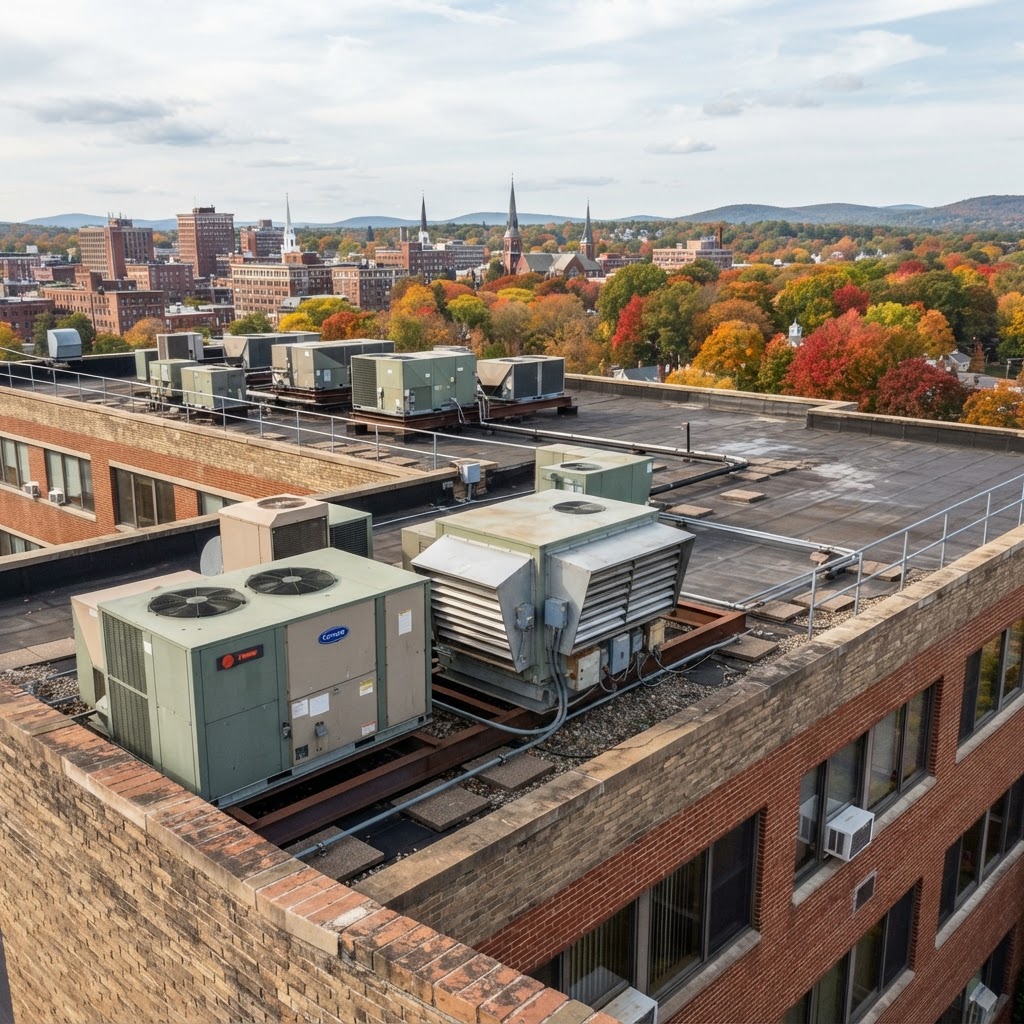
The 2026 HVAC & Facility Maintenance Calendar for the Massachusetts Hub
A month-by-month 2026 HVAC maintenance calendar for Massachusetts facility managers — boilers, chillers, steam, coils, and compliance all on one schedule.
11 min read
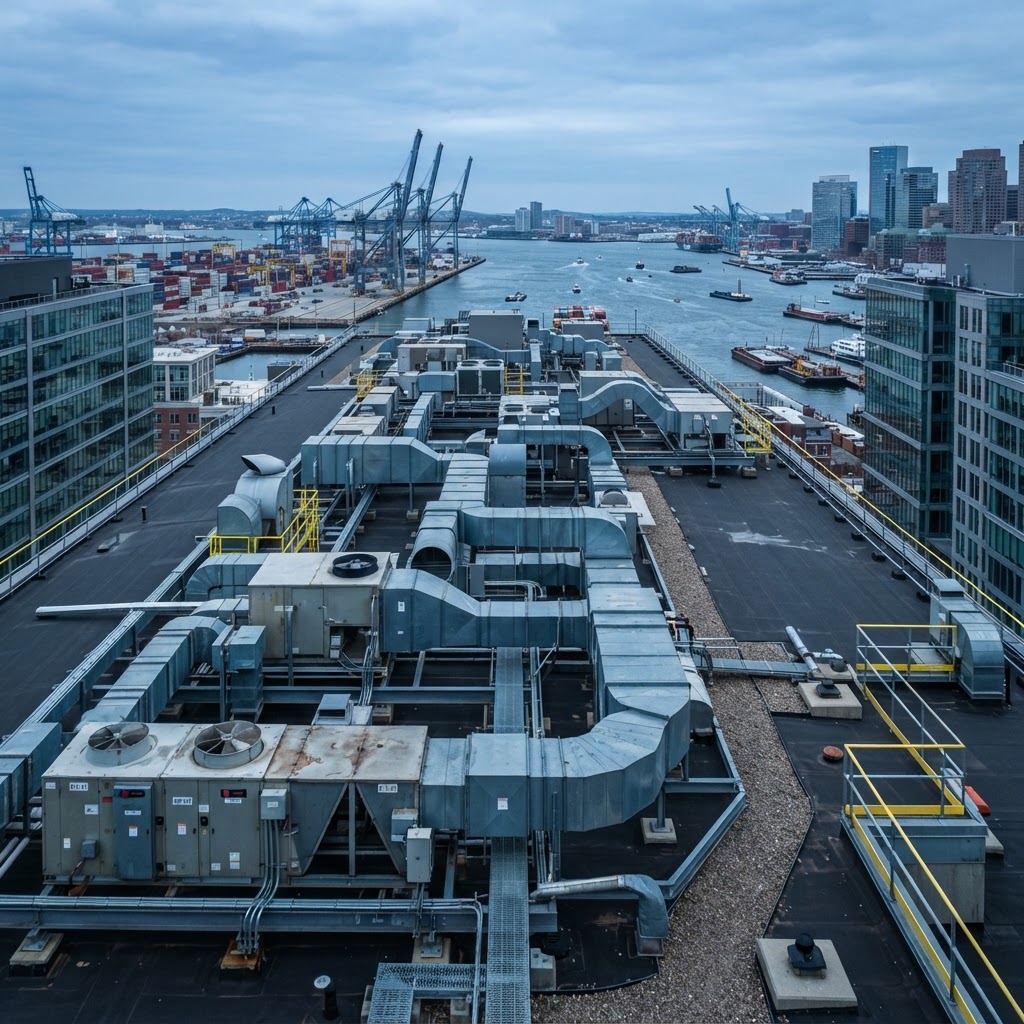
The 2026 HVAC & Facility Maintenance Calendar for the Boston Hub
A month-by-month 2026 HVAC maintenance calendar built for Boston commercial facility managers — covering every district, system, and seasonal failure point.
12 min read
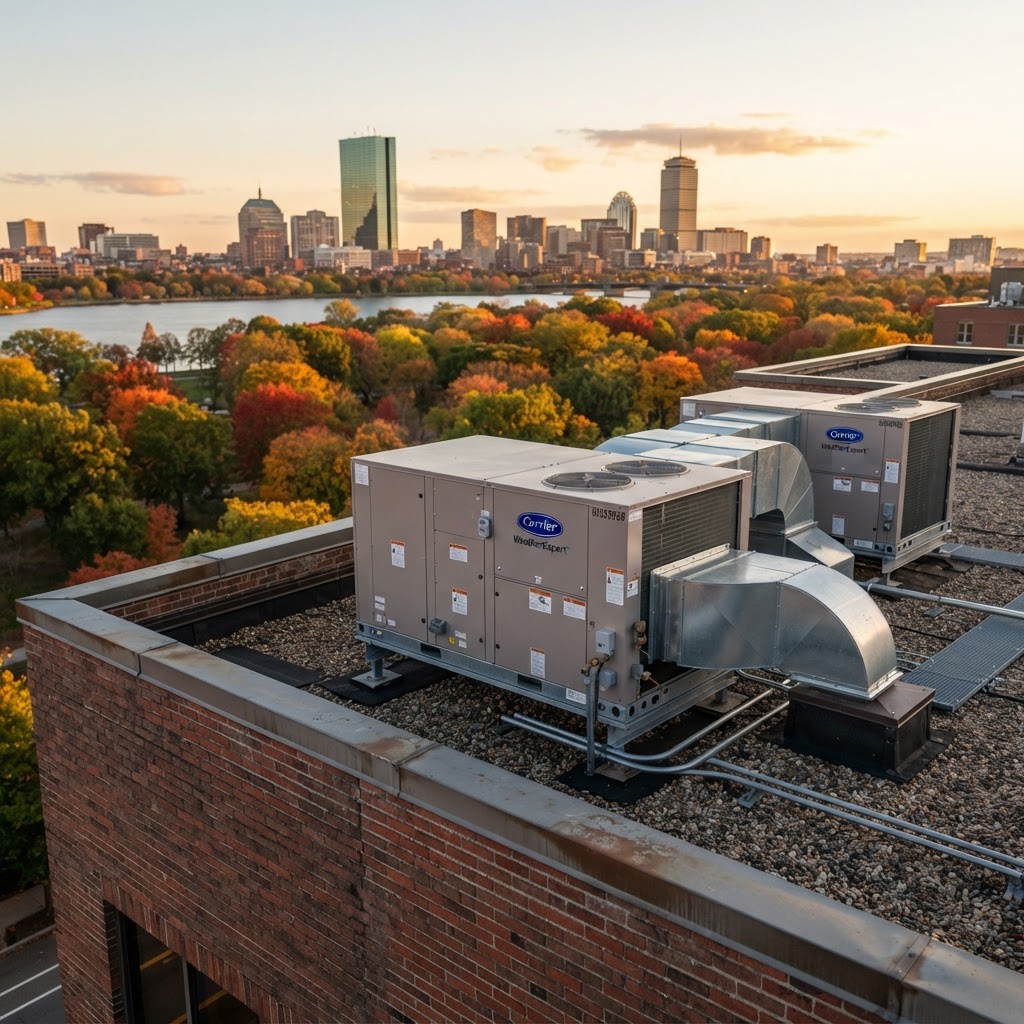
The 2026 HVAC Maintenance Calendar for the New England Hub
A month-by-month 2026 HVAC maintenance calendar for New England commercial facility managers — covering Boston, Manchester NH, Hartford CT, Providence RI, and Worcester. Quarterly PMs, seasonal changeover, freeze protection, cooling tower startup, boiler service, and more.
12 min read
Comments (0)
No comments yet. Be the first to comment!