The 2026 HVAC & Facility Maintenance Calendar for Hartford
Hartford commercial buildings don't fail at random. They fail on a schedule—one written by New England weather, aging mechanical infrastructure, and the gap between what a system needs and what it actually gets. Facility managers who learn that schedule can stay ahead of it; those who don't spend February chasing frozen coils and October scrambling for emergency boiler service.
Q1: January – March
January
January is the highest-stakes month in the Hartford HVAC calendar. Freeze protection verification is non-negotiable: confirm that unit ventilator and fan coil freeze stats are set correctly (typically 38°F leaving-air cutoff), that low-limit controls are calibrated, and that all exposed condensate lines and roof-mounted equipment drain points are heat-traced and functional. Inspect economizer hoods and rooftop unit curbs for ice and snow loading—blocked economizer intakes force systems into full recirculation, spiking CO₂ levels in occupied spaces and masking outdoor air damper failures. Check roof drains around air handling unit pads; ice dams here mean water intrusion into ceiling plenums by March. Replace MERV-13 or higher filters on any air handlers serving healthcare or lab occupancies; filter loading increases sharply when outdoor air is restricted by ice blockage. Failure to act: a single frozen heating coil in a pre-war office tower can mean a flooded ceiling, a closed floor, and a coil lead-time of six to eight weeks.
February
Continue freeze protection monitoring and add boiler combustion analysis if a mid-season tune wasn't completed in fall. Steam trap spot-checks on Hartford's older hydronic and steam riser systems are worthwhile now—a failed-open trap wastes significant energy and a failed-closed trap means cold zones on the upper floors of mid-century insurance towers. Inspect expansion tanks and pressure relief valves on hot water systems; winter pressure cycling stresses these components. Lubricate fan bearings on air handling units operating continuously; belt-driven units should have belt tension and wear checked—a snapped belt in February on a VAV air handler means no heat distribution regardless of boiler status. Failure to act: deferred bearing lubrication on a unit running 24/7 in winter leads to catastrophic motor failure with no lead time.
March
March is transition month. Begin pre-cooling season preparations even while heating is still primary. Pull and clean condensate drain pans on fan coil units—standing water from late-season humidity events is a Legionella risk and a ceiling tile liability. Schedule chiller startup inspection before the first cooling call; check refrigerant charge, oil level, purge unit operation (on older centrifugal chillers common in Hartford institutional buildings), and verify BAS sequences for cooling mode. Test economizer damper actuators while outdoor temperatures still favor full economizer operation—this is the best window to confirm end-to-end travel, damper blade condition, and enthalpy or dry-bulb sensor accuracy. Failure to act: a chiller found low on refrigerant on the first 80°F day in May has a parts and recovery lead time that will guarantee a service interruption.
Q2: April – June
April
Cooling tower startup is April's anchor task. Before filling, inspect basin coating, drift eliminators, fill media, and nozzle distribution. Establish water treatment chemistry before first fill—not after. Test for Legionella risk per ASHRAE 188 water management plan requirements, which apply to virtually all commercial cooling towers in Greater Hartford. Verify that condenser water pumps and isolation valves cycle correctly through BAS before chiller enable. Replace drive belts on cooling tower fan motors and lubricate fan shaft bearings. Failure to act: a cooling tower with fouled fill and uncontrolled water chemistry puts the entire chilled water plant at biological and mechanical risk from the first day of operation.
May
Conduct full refrigerant leak checks on all DX systems, rooftop units, and split systems. Hartford's suburban office campuses and retail centers rely heavily on rooftop equipment that has been stressed by winter thermal cycling. Verify BAS cooling sequences: confirm chilled water valve actuators stroke fully, that supply air temperature resets are active, and that demand-controlled ventilation CO₂ setpoints are correct. Inspect condenser coils on rooftop units—a coil fouled with cottonwood seed and road film from winter will run elevated head pressure all summer. Failure to act: a missed refrigerant leak in May becomes a compressor failure in July when the system runs at peak load with insufficient charge.
June
Complete pre-summer air balancing verification on systems that serve variable occupancy spaces—conference centers, academic buildings preparing for summer programs, healthcare waiting areas. Inspect and clean evaporator coils if access permits; biological growth on evaporator surfaces is a documented air quality issue in humid climates. Confirm building automation system summer setpoint schedules are loaded and active; many Hartford buildings still run heating-season BAS sequences well into June because no one updated the calendar. Change filters across all systems on the standard quarterly cadence. Failure to act: a building running heating-season BAS sequences in June actively fights its own cooling plant, wasting energy and creating comfort complaints.
Q3: July – September
July
July and August are Hartford's peak cooling months, with sustained humidity that loads latent cooling capacity harder than dry-climate systems. Monitor chiller performance data weekly: approach temperatures, lift, compressor amps, and condenser water return temperature. Inspect cooling tower basin water levels and blowdown rates; high humidity slows evaporative cooling efficiency and can allow cycles of concentration to rise. Confirm condensate drain pan clearance on all fan coil units—drain pans overflow in humid peak periods when they are partially obstructed. Failure to act: an overflowing condensate pan in a mid-century office tower causes ceiling and wall damage that shuts occupied space faster than any mechanical failure.
August
Conduct mid-season belt and bearing inspection on all continuously operating air handling units. August is when thermal fatigue on belts installed in spring begins to show. Re-check economizer operation—many units lock out economizers entirely in humid summer conditions, but the BAS lockout logic must be verified to confirm it releases correctly once outdoor conditions improve. Begin scheduling fall boiler startup service now; lead times for combustion analysis, burner service, and control calibration grow through September as every contractor in Hartford books up before heating season. Failure to act: waiting until October to schedule boiler work means competing with every other facility manager in the region for the same limited contractor availability.
September
September is the most strategically important month of the year. Complete steam trap surveys on any building with steam distribution—Hartford's pre-war and mid-century towers have trap populations that can reach hundreds of devices, and a survey now allows repair before heating demand. Conduct boiler combustion analysis and burner tune-up, verify safety controls, test low-water cutoffs, and calibrate operating and high-limit controls. Verify heating valve actuators through BAS; a heating coil valve that was stuck closed all summer may not be discovered until the first cold night. Change filters on the quarterly schedule. Failure to act: a boiler that fails its first startup in October, in a building with no redundancy, is a genuine emergency in a city where October overnight lows routinely drop below freezing.
Q4: October – December
October
Heating season switchover should be complete by mid-October in Hartford. Confirm that all cooling tower water has been drained and that cooling tower basins are blown down, cleaned, and protected for winter. Verify freeze protection on all rooftop units with heating coils—confirm freeze stat operation before the first below-freezing night. Inspect unit ventilator and fan coil heating valve sequencing in occupied classroom and office spaces; these small terminal units are the last line of defense against frozen coils in perimeter zones. Failure to act: a cooling tower left with water in the basin through a November freeze event sustains structural damage that sidelines the entire chilled water plant the following spring.
November
Conduct BAS heating sequence verification across the full sequence of operations: morning warm-up, occupied setpoints, setback, and unoccupied low-limit protection. Test emergency heat sequences and confirm that standby boilers or backup heat sources are operational. Inspect expansion compensators and flexible connections on steam and hydronic risers; thermal cycling from summer to winter stresses these components annually. Lubricate damper linkages on outdoor air intakes—cold temperatures stiffen actuators and can cause dampers to default open, creating freeze conditions in air handling units. Failure to act: an unoccupied low-limit sequence that isn't working means a building can drop below pipe-freeze temperature over a long cold weekend with no alarm.
December
Complete the final quarterly filter change of the calendar year. Inspect all heat trace circuits on exposed condensate lines and roof drain leaders. Verify that BAS alarm notifications for freeze stats, low-limit trips, and low-space-temperature alerts are routed to active monitoring contacts—not to a facilities inbox that goes unread over extended unoccupied periods. Conduct a final steam trap spot-check on known problem devices identified in the September survey. Document all open deficiencies for the January PM visit. Failure to act: a heat trace circuit that failed in November and was never verified will produce a frozen and burst condensate line during the first extended cold snap of winter.
What a Compliant PM Calendar Actually Saves
A structured PM calendar doesn't eliminate mechanical failure—it changes the nature of failures from emergency events to planned replacements. A bearing that is inspected quarterly is replaced on a scheduled maintenance visit; a bearing that is never inspected fails at 2 a.m. on a January night and takes an air handler, a floor of occupied space, and an emergency service call with it. Steam traps found in a September survey are repaired before the heating season; traps found in February are repaired at emergency labor rates in freezing conditions. Refrigerant leaks found in May are managed proactively; the same leak found in July means a compressor replacement at peak-season parts and labor prices.
For Hartford facility managers specifically, the compliance value is compounded by building age and system complexity. A pre-war tower with original steam risers and a mix of pneumatic and digital controls has more failure modes than a modern suburban campus—but it also responds more dramatically to disciplined preventive maintenance. The same is true of healthcare and lab facilities, where system failures have regulatory and patient-safety consequences beyond the mechanical.
MetroKleen | MKMaintX (mkmaintx.com) structures PM agreements around exactly this calendar logic, with documentation that satisfies insurance, regulatory, and lease requirements across Greater Hartford and 35+ states. Facility managers who want to review their current PM scope against this calendar can reach the team directly at 1-888-669-5808.
Frequently Asked Questions
Q: How often should HVAC filters be changed in a commercial Hartford office building?
A: Quarterly is the standard cadence for most commercial occupancies using MERV-8 through MERV-13 filtration. Buildings with higher air quality requirements—healthcare, laboratory, or high-density occupancy—typically require more frequent inspection and may need changes every six to eight weeks during peak heating and cooling seasons when outdoor air restriction increases loading.
Q: When is the best time to conduct a steam trap survey in a Hartford building?
A: September is the optimal window. The heating season hasn't started, traps can be surveyed under low-load or no-load conditions for accurate failed-open diagnosis, and there is sufficient lead time to procure and install replacement traps before October's heating switchover. Mid-winter surveys are possible but require working in active steam conditions, which limits access and accuracy.
Q: What is the most common cause of frozen coils in Hartford commercial buildings?
A: Freeze stats that are out of calibration or have drifted from their original setpoint are the leading cause. A freeze stat set at 38°F that has drifted to 28°F provides no meaningful protection. The second most common cause is heating valve actuators that fail to open on a call for heat because of deferred BAS maintenance—the coil freezes not because of a missing safety device but because the heating sequence didn't execute.
Q: Do cooling towers in Hartford require Legionella water management plans?
A: Yes. ASHRAE Standard 188 establishes the industry standard for water management plans applicable to cooling towers in commercial buildings, and Hartford-area facilities serving healthcare, hospitality, or multi-tenant occupancies are subject to both the standard and increasing regulatory attention at the state level. A water management plan should be in place before first fill each spring, not after the first test result.
Q: How far in advance should Hartford facility managers schedule fall boiler service?
A: Book combustion analysis, burner tune-up, and control calibration no later than August for a September completion target. Contractor availability in Greater Hartford compresses sharply in September as the regional demand for pre-season boiler work peaks. Buildings that wait until October frequently cannot secure qualified service before the first heating demand, which is an unacceptable position for any occupied commercial facility.
Get a Quote for Your Facility
Tell us where your building is and we'll call you back within 2 business hours. No obligation.
Subscribe to Updates
Get facility maintenance insights delivered
Join our newsletter for expert tips, industry news, and company updates from the MetroKleen | MKMaintX team.
Services That Cover This Work
MetroKleen | MKMaintX handles every trade under one contract — so the fix in this article and the next one call come from the same team.
Preventive programs, RTU & chiller service, 24/7 emergency repair
VIEW SERVICENightly cleaning, day porters, floor care, multi-site programs
VIEW SERVICEPrecision HVAC, humidity control, GMP-compatible cleaning
VIEW SERVICEPanels, wiring, code compliance, emergency power
VIEW SERVICEPipe repair, drain cleaning, backflow prevention
VIEW SERVICELED retrofits, fixture service, emergency lighting
VIEW SERVICELOCAL SERVICE PAGES
Need this work handled? Free assessment, no minimum contract.
Related Posts
AI SELECTED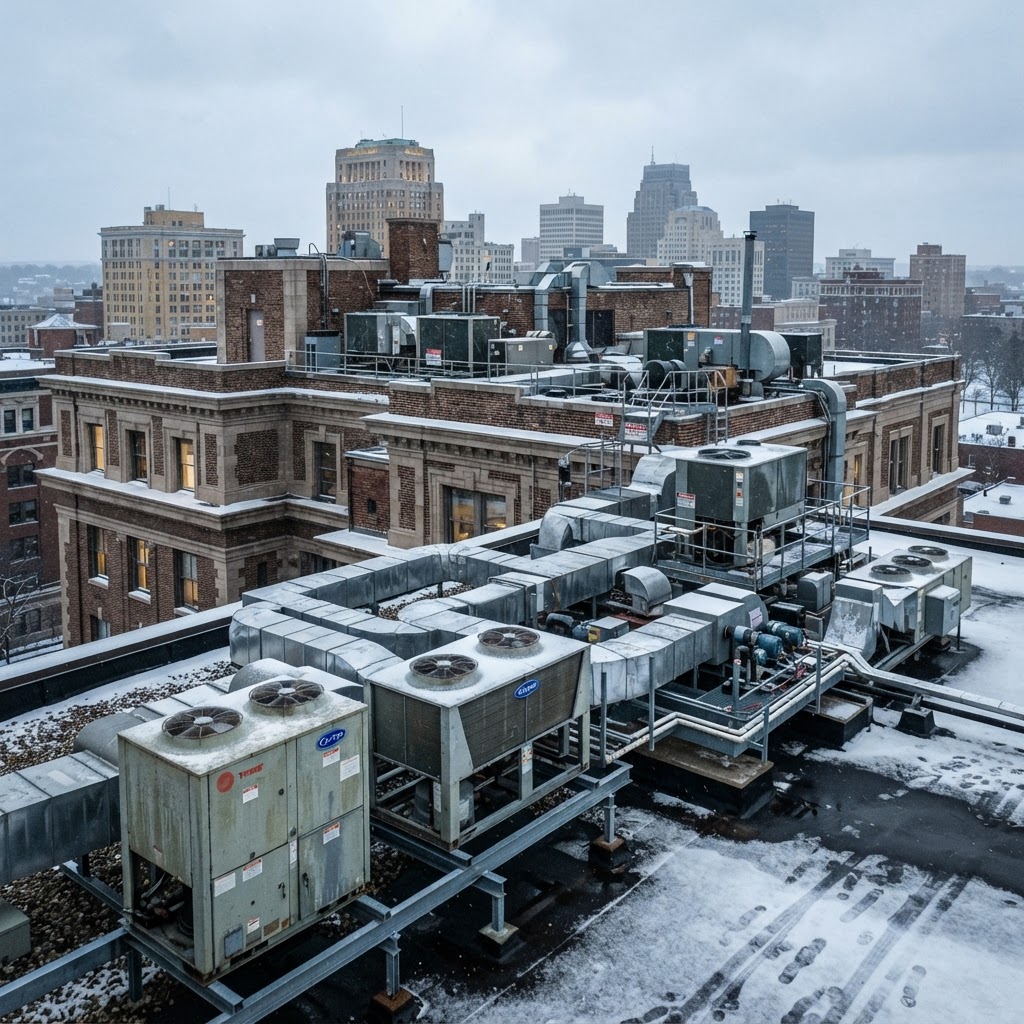
The 2026 HVAC & Facility Maintenance Calendar for the Connecticut Hub
A month-by-month 2026 HVAC maintenance calendar for Connecticut facility managers covering boilers, chillers, cooling towers, freeze protection and more.
12 min read
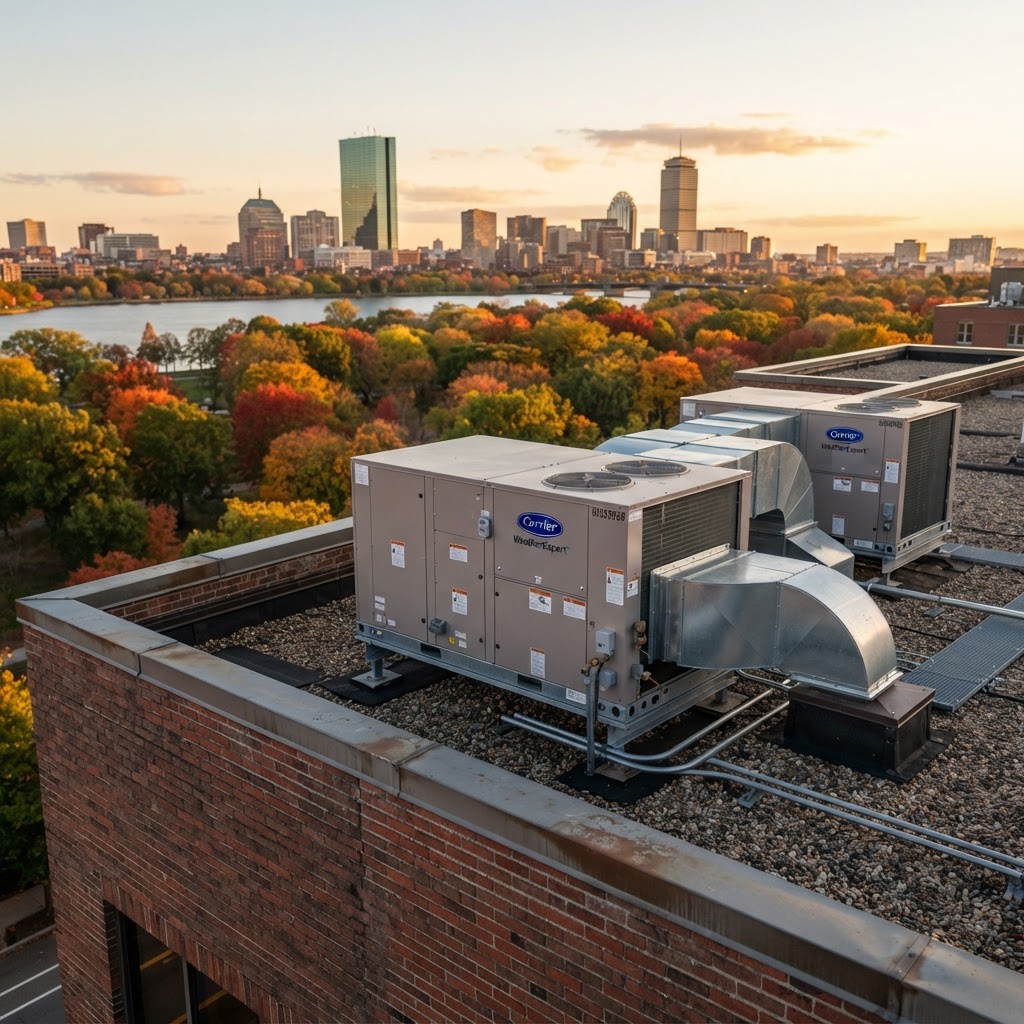
The 2026 HVAC Maintenance Calendar for the New England Hub
A month-by-month 2026 HVAC maintenance calendar for New England commercial facility managers — covering Boston, Manchester NH, Hartford CT, Providence RI, and Worcester. Quarterly PMs, seasonal changeover, freeze protection, cooling tower startup, boiler service, and more.
12 min read
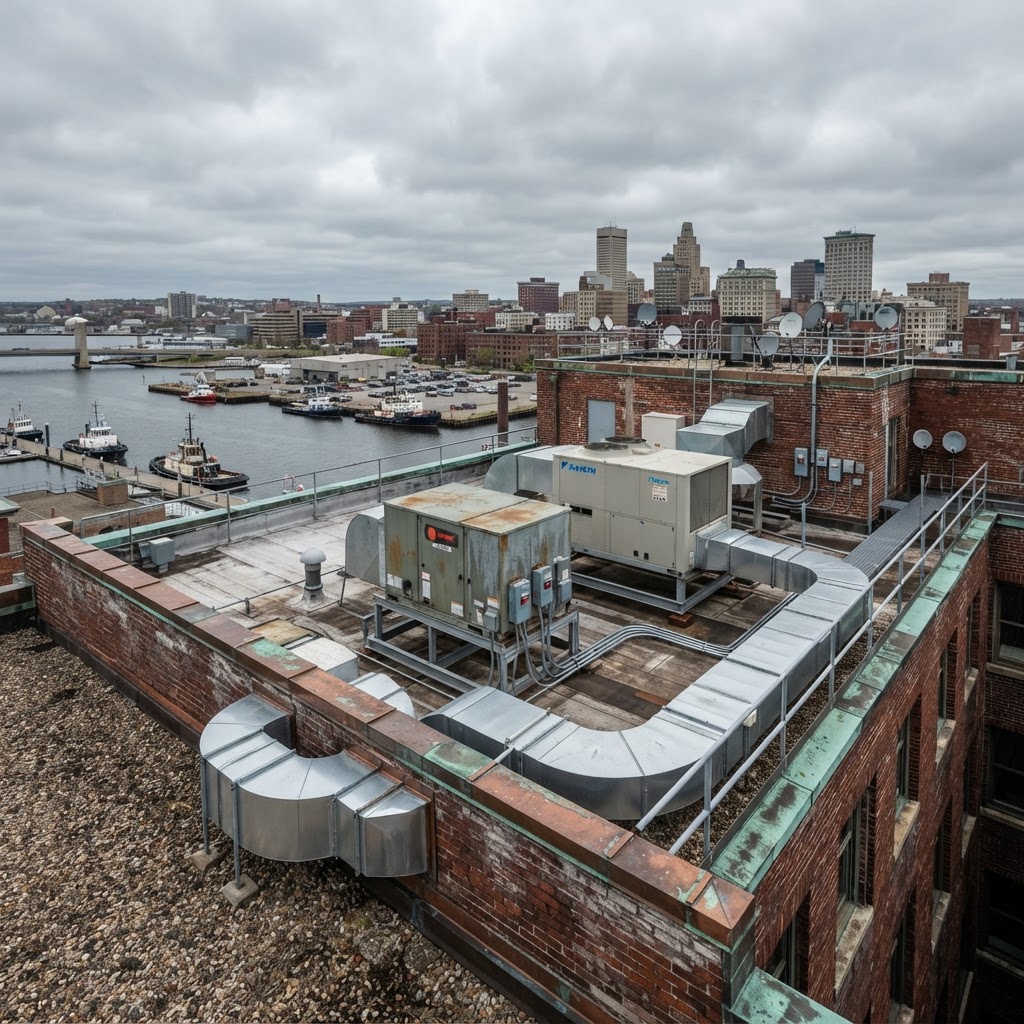
The 2026 HVAC & Facility Maintenance Calendar for Providence
A month-by-month 2026 HVAC maintenance calendar for Providence RI commercial buildings — covering freeze protection, coil cleaning, boiler and chiller PM, water treatment, and seasonal changeover.
10 min read
Comments (0)
No comments yet. Be the first to comment!