Every property owner we meet asks the same questions about building maintenance, hygiene, workplace safety, and environmental compliance. The honest answer is that the details matter more than most realize, and a reliable partner should be able to answer them clearly before you sign anything. Here are the questions we hear most, answered without the fluff.
What should a commercial maintenance company actually handle?
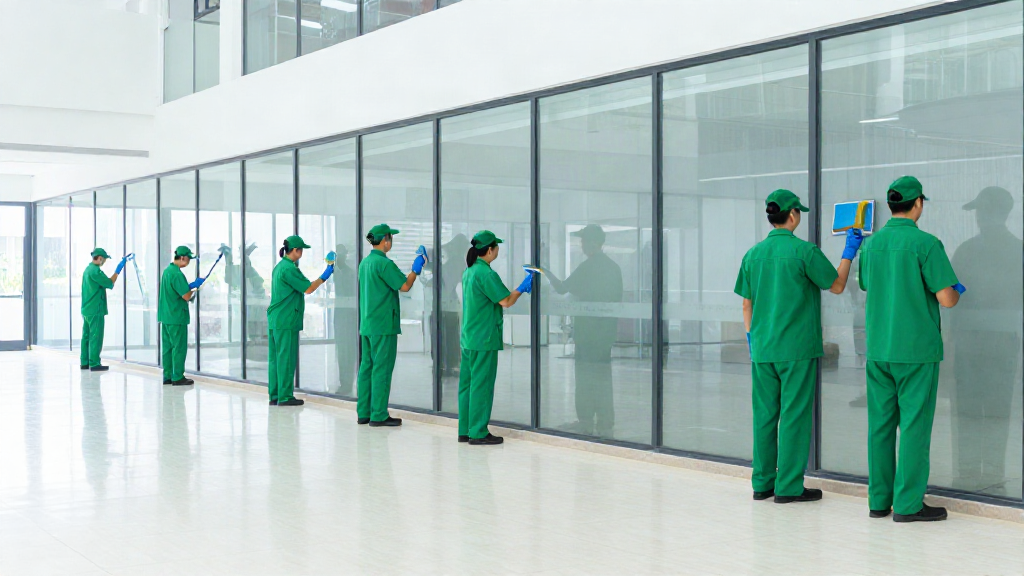
A professional building maintenance service should cover the day-to-day work that keeps a facility clean, safe, and compliant. That includes routine janitorial services, restroom and break-room sanitation, floor care such as mopping, buffing, and stripping, window and glass cleaning, trash and recycling removal, and restocking of supplies. It also extends beyond cleaning to preventive upkeep, including inspections, small repairs, and coordination with specialists when a job is beyond routine scope.
When you evaluate a provider, ask what is in scope and what is not. A good partner documents the full service list so there are no surprises on the invoice or in your building.
How often should a commercial building be cleaned?
There is no single answer, because foot traffic and use patterns drive the right schedule. A high-traffic retail space or clinic needs daily attention, while a low-occupancy office may do well with several visits per week and a deeper clean on a rotating cycle.
The practical approach is a frequency plan matched to each area: daily disinfection for restrooms and high-touch surfaces, routine vacuuming and dusting several times a week, and periodic deep cleans for carpets, floors, and windows. Your provider should recommend a schedule based on actual usage, not a one-size-fits-all package.
What does workplace hygiene really mean, and why does it matter?
Workplace hygiene goes beyond looking clean. It reduces the spread of illness, keeps employees healthy and present, protects your customers, and supports the professional image of your business. High-touch points, including door handles, light switches, elevator buttons, counters, and shared equipment, are where germs spread fastest, and they deserve regular disinfection, not just visual cleaning.
A strong hygiene program uses the right products for each surface and follows a written protocol. This matters for more than optics. In shared spaces, consistent hygiene directly supports attendance, morale, and trust.
Is there a legal requirement for workplace cleanliness and safety?
Yes. Every business in the US operates under workplace safety obligations, most commonly through OSHA standards, and local and state codes add their own requirements. These cover hazard communication, proper storage of chemicals, safe handling of cleaning agents, fall and slip prevention, and the condition of exits, floors, and electrical systems.
Noncompliance is not a hypothetical risk. It can mean citations, fines, and liability, and in the worst cases it contributes to preventable injuries. Your maintenance partner should understand the regulations that apply to commercial facilities and keep your building aligned with them.
What environmental compliance responsibilities does a business have?
Environmental obligations center on how you manage waste, chemicals, and water. You must dispose of hazardous materials correctly, separate recyclables and comply with local recycling rules, avoid dumping cleaning chemicals or runoff where they violate discharge standards, and document that these practices are being followed.
Many business owners are surprised that even routine cleaning chemicals are regulated. Properly maintained MSDS or SDS data sheets, correct labeling, and compliant storage are part of running a responsible facility. A professional provider tracks these details so they do not become your problem later.
How do I know a maintenance provider handles chemicals safely?
Ask three direct questions. What chemicals do you use on my site, are they appropriate for each surface, and do your staff follow documented handling procedures? A reliable cleaning company uses commercial-grade, facility-appropriate products, keeps safety data sheets accessible, trains staff in correct use and dilution, and uses personal protective equipment.
This is also part of environmental compliance. The products used and the way they are stored and disposed of must meet applicable standards. You do not need to become an expert, but you do need a provider who can show you their process.
What counts as reliable emergency response in maintenance?
Equipment breakdowns, leaks, odor issues, and other urgent problems do not respect business hours. Reliable emergency response means a defined procedure, a reachable contact, and a realistic response time for the issues that can disrupt your operations.
Before you commit, ask how emergencies are handled, who answers after hours, and what the target response time is. A partner with a documented escalation path protects you from extended downtime when something goes wrong.
How much should professional building maintenance cost?
Cost depends on the size of your facility, the frequency of service, the scope of work, and local market conditions. Rather than comparing a single price, compare what is included. A slightly higher rate that covers documented protocols, trained staff, insured work, and compliant products often costs less in the long run.
Beware of quotes that seem too low. They frequently reflect thinner scope, lighter products, or less accountability, and that usually shows up in your building, your inspections, and your risk profile.
How do I choose between maintenance companies?
Look for three things: trained and vetted staff, documented procedures for hygiene and safety, and a clear service agreement that defines scope, frequency, and response. Ask for how they verify quality after each visit, how they handle complaints or issues, and whether they carry proper insurance and bonding.
Resources like the BBB and industry references can help you verify a provider's standing. Trust your direct experience with their communication during the sales process as well. If it is hard to get a clear answer before the contract, it will not get easier after.
Can one company cover both cleaning and compliance?
In many cases, yes. A single professional provider can integrate janitorial service, hygiene protocols, and compliance-minded waste and chemical handling into one program. This reduces the number of vendors you manage and creates a more consistent standard across your building.
That integration is exactly what we do. At MKMaintX / MetroKleen, professional building maintenance is built around hygiene, safety, and environmental responsibility, with documented procedures and reliable emergency response. Ask us the hard questions the same way you would any provider: a confident partner is happy to answer them.
The bottom line
Building maintenance, hygiene, safety, and environmental compliance are connected. Getting them right protects your people, your customers, and your bottom line, while getting them wrong creates real risk. Treat the choice of a maintenance partner like the operational decision it is: ask for specifics, verify the process, and choose someone who can show you how the job gets done.